How fasting works in your body
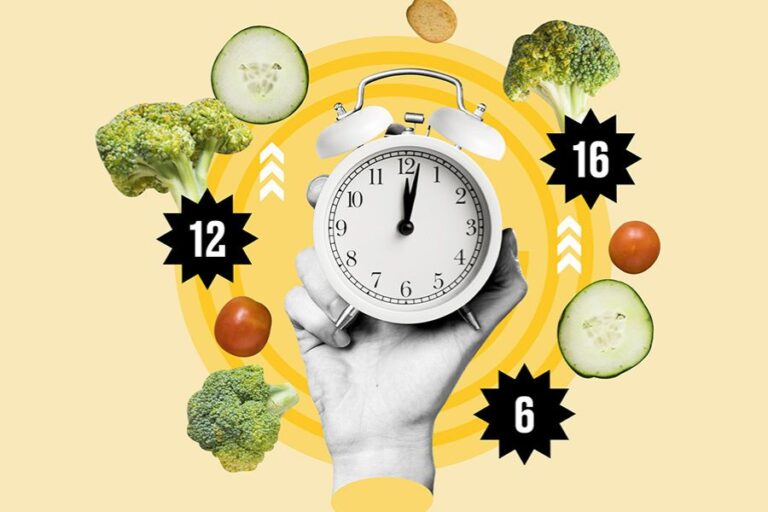
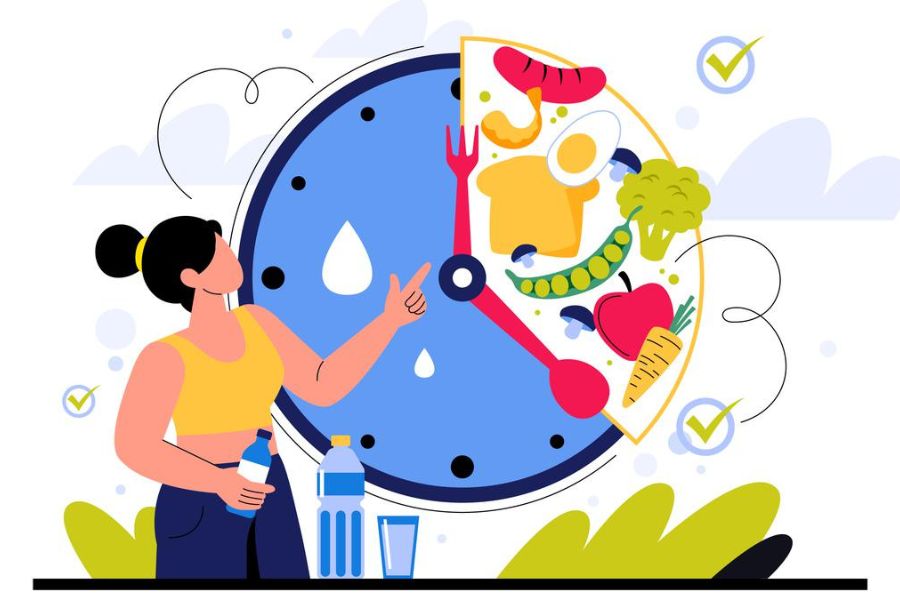
If you are wondering “does coffee break a fast,” it helps to know what fasting actually means for your body.
When you fast, you are trying to:
- Keep calories extremely low or at zero
- Allow insulin levels to drop
- Shift from burning glucose to burning stored fat and producing ketones
This shift, sometimes called a “metabolic switch,” is a big reason people use intermittent fasting for weight loss and better health (ZOE).
Most fasting plans, such as a 16/8 schedule, allow:
- Water
- Black coffee
- Unsweetened tea
Anything with significant calories, sugar, or protein can start digestion and technically end your fast. Coffee sits in a gray area, so what you put in it really matters.
Does black coffee break a fast
Plain black coffee is very low in calories, usually under 3 calories per 8 fl oz cup (Healthline). It has almost no protein, fat, or sugar. That is why many experts consider it compatible with most intermittent fasting goals.
Research on black coffee and fasting shows that:
- An 8 oz cup of black coffee after a 10 hour fast did not change fasting triglycerides or glucose compared to water in a small 2020 study (PubMed)
- The same study found no difference in blood fat or blood sugar responses to a high fat meal after coffee versus water (PubMed)
The researchers concluded that black coffee before a metabolic test did not interfere with fasting measurements or the test results.
For general health, weight loss, or body recomposition, most nutrition experts agree that black coffee does not break a fast in a meaningful way (Verywell Health, Healthline, Heirloom Coffee Roasters).
One exception is if your primary goal is gut rest and gut repair. In that case, some clinicians prefer a stricter “water only” approach and consider any coffee as breaking that type of fast.
Benefits of coffee while fasting
If you enjoy coffee, it can actually work with your fast instead of against it. Studies and expert opinions point to several potential upsides.
Appetite and cravings
Black coffee contains caffeine, which can naturally suppress appetite for some people. This may:
- Make it easier for you to get through the last few fasting hours
- Help you stick to a 16/8 or similar schedule more comfortably (Healthline, Autumn Elle Nutrition)
Metabolism and fat burning
Fasting encourages your body to burn stored fat and produce ketones. Caffeine can gently boost your metabolism and may increase fat oxidation, which can complement the fat burning that happens during a fast (Verywell Health, Heirloom Coffee Roasters).
Some experts also note that black coffee in a fasted state may support ketone production and enhance keto style benefits, even if you are not following a strict ketogenic diet (Autumn Elle Nutrition).
Brain function and focus
Coffee is rich in caffeine and antioxidants. Intermittent fasting and coffee together may:
- Improve mental clarity and focus
- Support brain health over time
- Reduce inflammation and support healthier blood sugar and heart markers, according to reviews of coffee and fasting benefits (Healthline, Heirloom Coffee Roasters)
Exercise performance while fasting
If you like to work out before your eating window opens, black coffee can make fasted exercise more manageable. Caffeine has been shown to:
- Increase endurance
- Make workouts feel easier and more sustainable (Autumn Elle Nutrition)
Comfort and enjoyment
You are more likely to stay consistent with a fasting routine that feels realistic. Having a warm cup of black coffee as a “ritual” in the morning can:
- Break up long periods of drinking only water
- Make your fasting window feel less restrictive (Autumn Elle Nutrition)
When coffee might be a problem
Even if black coffee does not technically break your fast, it is not perfect for everyone. Pay attention to how you feel and watch for these issues.
Stomach discomfort
Coffee on an empty stomach can increase stomach acid and may cause:
- Nausea
- Acid reflux
- General stomach upset
If you have GERD, ulcers, or a sensitive digestive system, you might feel these symptoms more strongly during a fast (Verywell Health, Heirloom Coffee Roasters).
Simple tweaks can help:
- Choose a low acidity or darker roast coffee
- Sip more slowly instead of finishing your mug at once
- Limit coffee to one cup during your fasting window
Jitters, anxiety, and sleep
Too much caffeine can work against your health goals. Research suggests that more than 400 mg of caffeine per day, roughly 4 cups of coffee, can cause:
- Anxiety or nervousness
- Heart palpitations
- Higher blood pressure
- Trouble sleeping (Verywell Health, Healthline, Heirloom Coffee Roasters)
During fasting, you may feel these side effects more strongly, since there is no food in your stomach to slow caffeine absorption.
A good rule of thumb is to:
- Keep coffee to 3 to 4 cups or less per day
- Avoid caffeine within 6 hours of bedtime
- Cut back if you notice racing thoughts, shaky hands, or poor sleep
What actually breaks a fast in your coffee
The biggest factor in “does coffee break a fast” is what you add to it. Here is how common add ons affect fasting.
Milk, cream, and plant milks
Milk and most creamers contain carbohydrates and protein. These can raise insulin and start digestion, which breaks a traditional fast. However, there is nuance.
Guidance from several experts suggests:
- A small splash of milk in coffee probably will not cause a big blood sugar spike for most people, based on data from over 10,000 participants (ZOE)
- Up to 1 tablespoon of heavy cream or just under 1 tablespoon of half and half is unlikely to significantly disrupt fasting for fat burning and metabolic health, since these are mostly fat and low in carbs (Autumn Elle Nutrition)
- Unsweetened almond milk in amounts up to about 1/3 cup can fit into many fasting routines without a major impact on blood sugar, while sweetened almond milk and oat milk are much more likely to break your fast (Autumn Elle Nutrition)
If your goal is strict, zero calorie fasting, then any of these technically break the fast. If your goal is practical weight loss and better metabolic health, very small amounts of high fat, very low sugar cream may be acceptable for you.
Sugar and flavored syrups
Sugar, honey, maple syrup, and regular flavored syrups all add calories and carbohydrates. These:
- Trigger digestion
- Increase blood sugar
- Raise insulin
That combination breaks a fast for nearly every goal, including weight loss and metabolic health (Healthline, Heirloom Coffee Roasters).
If you want to keep your fast intact, save sugary coffee drinks for your eating window.
Zero calorie sweeteners
Not all sugar substitutes act the same. Some can still affect blood sugar or the gut.
According to current guidance:
- Pure stevia and pure monk fruit extract are unlikely to break a fast when used in small amounts, since they provide minimal or no calories (Autumn Elle Nutrition)
- Products that mix stevia with maltodextrin, sugar alcohols, or other fillers can add hidden carbs and may break a fast (Autumn Elle Nutrition)
- Some experts recommend avoiding artificial sweeteners altogether during fasting, since emerging research suggests they might affect blood sugar or metabolic responses for some individuals (ZOE)
If you want the most reliable fasting benefits, stick with unsweetened coffee, or use very small amounts of natural, zero calorie sweeteners that are free of fillers.
Oils, butter, and “keto coffee”
High fat additions without carbs or protein are a special case.
Options like:
- Grass fed butter
- Ghee
- Coconut oil or MCT oil
- “Keto coffee” blends
are mostly pure fat. They can:
- Help reduce hunger
- Support ongoing fat burning
- Avoid a major insulin spike (Verywell Health, Autumn Elle Nutrition)
Some fasting practitioners use these to make the fasting period easier, especially when starting out. However, they do add calories, so if your focus is strict autophagy or very low calorie intake, they may not fit your specific plan.
Quick reference: what you can add
Use this table as a simple guide when you are deciding how to drink coffee during your fasting window.
| Add to your coffee | Likely effect on a weight loss style fast | Notes |
|---|---|---|
| Black coffee, no additives | Does not break fast | Under ~3 calories per cup (Healthline) |
| Small splash of milk | Minor impact for most people | Technically breaks strict fast, usually small blood sugar effect (ZOE) |
| Up to 1 tbsp heavy cream | Generally acceptable for many fasting goals | Mostly fat, very low carb (Autumn Elle Nutrition) |
| Unsweetened almond milk ≤ 1/3 cup | Usually acceptable in moderation | Watch labels for added sugar (Autumn Elle Nutrition) |
| Sweetened almond or oat milk | Breaks fast | Higher in carbs and sugar |
| Sugar, honey, syrups | Breaks fast | Raises blood sugar and insulin (Healthline) |
| Pure stevia or monk fruit | Usually does not break fast in small amounts | Avoid blends with fillers (Autumn Elle Nutrition) |
| Butter, coconut oil, “keto coffee” | Caloric, but may fit some fasting styles | Helps hunger, minimal insulin response |
| Cinnamon or vanilla extract ≤ 1 tsp | Unlikely to break fast | Larger amounts add more carbs (Autumn Elle Nutrition) |
How to use coffee in your fasting routine
You do not need a perfect plan on day one. Start simple and adjust based on how you feel and what your goals are.
If your main goal is weight loss
You will likely get a good balance of results and comfort if you:
- Drink 1 to 3 cups of black coffee during your fasting window
- Or add a very small amount of heavy cream or unsweetened almond milk if that helps you stay consistent
- Avoid sugar, syrups, and sweetened creamers until your eating window opens
Pay more attention to your overall calorie intake and food quality during your eating period than to a small splash of cream in your morning coffee.
If your main goal is gut health or strict autophagy
You may want to be more cautious. In this case:
- Choose water or herbal tea as your primary fasting drinks
- If you use coffee, keep it black and limit how often you drink it
- Avoid all creamers, sweeteners, and fats during the fasting window
This stricter approach prioritizes complete digestive rest.
If you are new to intermittent fasting
Coffee can make the transition much easier. You can:
- Start with your usual coffee, but remove sugar and flavored creamers first
- Switch to black coffee, or black with a small amount of heavy cream or unsweetened almond milk
- Adjust the timing of your coffee so your biggest cup lands at your hardest fasting hours, such as late morning on a 16/8 schedule
Remember, your fasting routine should be sustainable. It is better to have slightly “imperfect” coffee and stick with your plan than to quit after a week because it feels too strict.
Key takeaways
- For most intermittent fasting goals, black coffee does not break a fast
- Very small amounts of heavy cream or unsweetened almond milk may not significantly affect weight loss or metabolic benefits, although they technically add calories
- Sugar, sweetened creamers, and flavored syrups will break your fast and are best saved for your eating window
- Coffee can support fasting by curbing appetite, boosting focus, and complementing fat burning, but too much caffeine can cause jitters, stomach upset, or poor sleep
- If in doubt, keep your fasting coffee simple, pay attention to how your body responds, and adjust your approach over time
If you already drink coffee, you likely do not need to give it up to see results from intermittent fasting. A few small adjustments are usually enough to let your morning cup work with your fast, not against it.
About the Author