Understand the basics of keto vs paleo
If you are comparing keto vs paleo for weight loss, you are really comparing two very different approaches to food. Both plans cut out grains, legumes, and most processed foods, which can support weight loss and better blood sugar control. How they get you there, however, is not the same.
At a glance:
- Paleo diet focuses on what you eat. You aim for whole, minimally processed foods similar to what early humans might have eaten, often called the “caveman diet” (Healthline).
- Keto diet focuses on how much of each macronutrient you eat. Carbs stay very low, fat is high, and protein is moderate so your body shifts into ketosis and uses fat for energy (Healthline).
Both can help you lose weight. The right fit for you depends on your health, lifestyle, and how strict you want your eating plan to be.
What the paleo diet actually is
The paleo diet is built around the idea that you feel and function better when you eat more like early humans. You base your meals on whole, unprocessed foods and you leave out many modern staples.
According to nutrition guidance from Healthline, the paleo diet:
- Centers on whole foods that were available to early humans, such as meat, fish, eggs, fruits, vegetables, nuts, and seeds
- Eliminates grains, legumes, processed sugar, and most dairy to support natural biological function and overall health (Healthline)
- Allows whole food sources of carbohydrates including fruits, starchy vegetables, and some unrefined sweeteners
Paleo is not necessarily low carb. You can eat a higher or lower carb version of paleo, depending on how much fruit and starchy vegetables you include.
What the keto diet actually is
The ketogenic diet is less about food history and more about biochemistry. Your goal is to change your primary fuel source.
Keto is defined by its macronutrient breakdown:
- Very low in carbohydrates
- Moderate in protein
- High in fat
This combination pushes your body into ketosis, a metabolic state where fat and ketones replace carbohydrates as your main energy source (Healthline).
In a 2023 Scripps Health podcast, endocrinologist Dr. Samantha Harris described the ketogenic diet as a very low carbohydrate pattern that encourages your body to use fat and ketones as fuel instead of carbs (Scripps Health).
Unlike paleo, keto does not carry a lifestyle philosophy. It is mainly concerned with:
- Keeping carbs low enough to stay in ketosis
- Watching protein so it does not interfere with ketosis
- Making fat your largest source of calories
Compare what you can and cannot eat
You will find overlap between keto vs paleo, but there are also important differences that affect how your daily meals look.
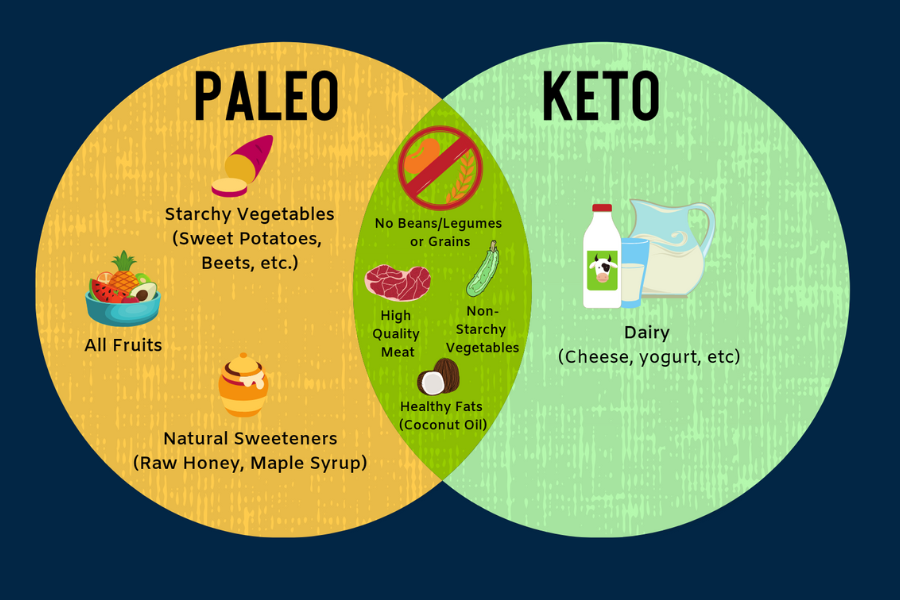
Foods both keto and paleo avoid
Both diets tell you to skip:
- Grains such as wheat, rice, oats, and corn
- Legumes such as beans, lentils, and peanuts
- Heavily processed foods and refined sugars
They do this for different reasons:
- Paleo excludes grains and legumes because of antinutrients in these foods that may affect mineral absorption and digestion (Healthline).
- Keto cuts grains and legumes because their high carbohydrate content can prevent you from staying in ketosis (Healthline).
What you eat on paleo
On paleo, you focus on food quality and simplicity.
Typical paleo friendly foods include:
- Proteins: beef, chicken, turkey, pork, fish, shellfish, eggs
- Produce: a wide variety of fruits and vegetables
- Fats: nuts, seeds, avocado, olive oil, coconut products
- Extras: herbs, spices, and in some versions, unrefined sweeteners such as honey or maple syrup in small amounts
Dr. Harris notes that paleo emphasizes lean proteins like fish and chicken, plus nuts, fruits, and vegetables, while generally avoiding dairy and grains (Scripps Health).
With paleo, your plate might include a grilled chicken breast, roasted sweet potatoes, and a big salad with olive oil. Fruit for dessert fits right in.
What you eat on keto
On keto, you build meals around low carb foods and higher fat choices so you stay in ketosis.
Common keto staples include:
- Proteins: beef, chicken, fish, eggs, but in moderate portions
- Fats: avocado, olive oil, butter, cream, coconut oil, higher fat cuts of meat
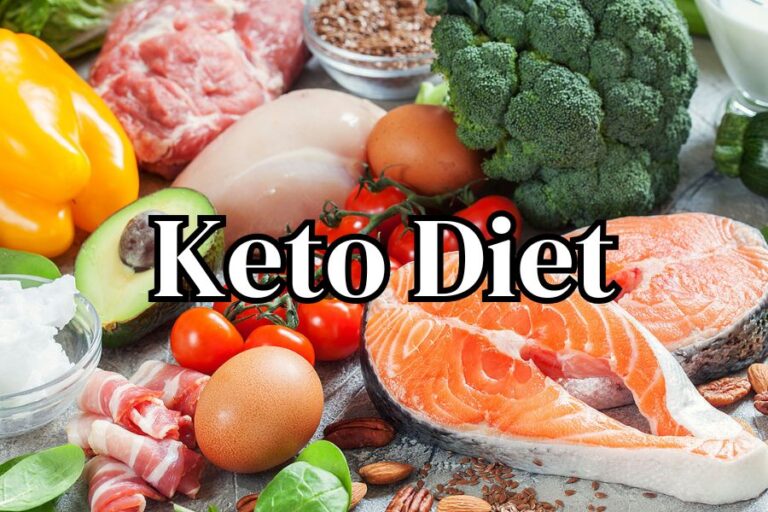
- Low carb vegetables: leafy greens, broccoli, cauliflower, zucchini, peppers, mushrooms
- Limited extras: small amounts of berries, nuts, seeds, and full fat dairy if tolerated
You avoid most fruits, starchy vegetables like potatoes and carrots, and any added sugar. Portions of even healthy carb sources stay small so you maintain a very low daily carb intake (Healthline).
Side by side food comparison
| Category | Paleo approach | Keto approach |
|---|---|---|
| Main focus | Whole, unprocessed “caveman” style foods | Macronutrient ratios to reach ketosis |
| Carbohydrate level | Flexible, can be moderate or lower carb | Very low carb |
| Fruit | Allowed, often encouraged | Very limited, small portions of low sugar fruits only |
| Starchy vegetables | Allowed, such as sweet potatoes or squash | Mostly avoided or very restricted |
| Dairy | Generally avoided or limited | Often allowed if low in carbs and high in fat |
| Grains and legumes | Excluded due to antinutrients | Excluded due to high carbohydrate content |
| Processed sugar | Excluded | Excluded |
Look at how each diet supports weight loss
Both keto and paleo can help you lose weight, but they rely on different mechanics and may feel different in your daily life.
How keto may help you lose weight
Keto often supports weight loss by:
- Dramatically reducing carbohydrate intake, which can help lower insulin levels
- Encouraging your body to burn stored fat for energy in ketosis
- Naturally reducing appetite for some people, because high fat and moderate protein foods can feel more filling
Dr. Harris explains that both keto and paleo can promote weight loss and improve overall health by reducing calorie intake and focusing on wholesome foods, but long term commitment matters. If you only follow these diets temporarily, you are more likely to regain lost weight (Scripps Health).
How paleo may help you lose weight
Paleo tends to support weight loss by:
- Moving you away from processed foods and added sugars
- Encouraging higher intakes of fiber rich vegetables and satisfying proteins
- Simplifying food choices so you are less likely to overeat ultra processed snacks
Since paleo does not tightly restrict carbs, it can feel more flexible and may be easier to maintain long term for some people. You can adjust your portions of fruit and starchy vegetables to line up with your weight loss and energy needs.
Which is better for fat loss specifically
In practice:
- Keto may give you faster initial weight loss, especially in the first weeks, partly due to water loss when you drop carbs.
- Paleo may produce steadier and more sustainable progress if you prefer more variety and a less strict framework.
According to Dr. Harris, you are more likely to maintain results on either diet if it fits your lifestyle and you can follow it for the long term (Scripps Health).
Understand the health benefits and risks
Weight loss is only one part of the picture. When you compare keto vs paleo, it helps to look at broader health impacts, especially if you are thinking about staying on a diet for more than a few weeks.
Potential benefits of paleo
Because paleo centers on whole foods and removes many processed options, you may notice:
- Reduced intake of added sugar and refined grains
- More vitamins, minerals, and antioxidants from fruits and vegetables
- More stable energy for some people due to fewer blood sugar spikes from refined carbs
Paleo also comes with lifestyle components. Guidance often includes exercise and mindfulness practices along with dietary changes, without rigid macronutrient rules (Healthline). This broader approach can support your overall well being, not just your weight.
Potential benefits of keto
When you follow keto carefully, you may see:
- Lower blood sugar and insulin levels, which may support better metabolic health for some people
- Reduced appetite, which can make calorie control feel easier
- Noticeable shifts in energy once your body adapts to using fat and ketones for fuel
However, keto is more intense and your body needs time to adjust. During the first weeks, Dr. Harris notes that you may experience:
- Increased thirst and more frequent urination
- Rapid initial weight loss
- Metallic taste in your mouth
- Nausea, reduced appetite, lower energy
- Trouble sleeping (Scripps Health)
These side effects often ease as your body adapts, but they are important to consider if you already feel low on energy or have a demanding schedule.
Who should avoid keto or talk to a doctor first
Keto is not right for everyone. Dr. Harris advises that certain groups should not follow a ketogenic diet due to potential health risks, including:
- People with advanced kidney disease
- Pregnant or nursing women
- Anyone with a history of eating disorders (Scripps Health)
If you fall into any of these categories, or if you take medications that affect blood sugar, it is important to talk with your healthcare provider before trying keto.
What recent research suggests about long term keto risks
Most discussions of keto focus on short term benefits. A long term animal study from University of Utah Health adds some nuance.
Researchers followed mice on a ketogenic diet and found:
- The keto diet successfully prevented weight gain compared with a high fat Western diet
- Over time, it caused serious metabolic issues, including fatty liver disease and impaired blood sugar regulation (University of Utah Health)
Key findings in the mice included:
- Male mice on keto developed severe fatty liver and liver dysfunction, while female mice did not show the same level of liver fat buildup, which points to sex specific responses (University of Utah Health)
- After two to three months, mice had low blood sugar and insulin levels at baseline, but when they consumed carbohydrates, their blood sugar spiked very high because their stressed pancreatic cells could not secrete enough insulin (University of Utah Health)
- The impaired blood sugar control was linked to cellular stress in insulin producing cells, likely due to chronically high fat intake, although these problems were reversible after the diet was stopped (University of Utah Health)
This study compared keto to low fat and high carbohydrate control diets in mice but did not test paleo specifically. Since it is animal research, you cannot directly copy the results to humans, but it does highlight that long term keto may carry metabolic risks that are still being studied.
If you are considering staying on keto for many months or longer, this is another reason to check in with your healthcare provider and to monitor your health markers.
Decide which diet fits your lifestyle
When you choose between keto vs paleo for weight loss, your everyday habits and preferences matter as much as the science.
How strict do you want your plan to be?
Ask yourself:
- Do you want clear numbers and targets?
- If yes, you may appreciate keto’s precise macronutrient guidelines.
- Do you prefer simple food rules over counting carbs or tracking macros?
- If yes, paleo’s “eat this, avoid that” structure might feel easier to follow.
Keto often requires:
- Tracking grams of carbohydrates to stay low enough for ketosis
- Adjusting protein and fat to maintain specific ratios
Paleo usually involves:
- Choosing from a list of allowed whole foods
- Limiting or avoiding specific modern foods such as grains and processed sugar
How much flexibility do you need in social settings?
Consider your typical week:
- Do you attend frequent social events that include bread, desserts, or mixed dishes?
- Do you like to enjoy fruit regularly or share a starchy side at dinner?
On paleo, you may have more room to:
- Eat fruit without counting every gram of sugar
- Include starchy vegetables like sweet potatoes at family meals
- Navigate restaurant menus by choosing simple protein and vegetable dishes
On keto, social flexibility can feel tighter, since even small amounts of extra carbs can affect ketosis.
How active are you?
Your activity level can also guide your choice:
- If you are highly active or enjoy high intensity workouts, paleo’s more flexible carb intake may support your performance more comfortably.
- If you are less active and want a stronger emphasis on fat burning, you might find keto’s strict structure motivating, provided your health status allows it.
Remember that paleo often includes lifestyle components such as exercise and mindfulness (Healthline), which may support your long term health habits.
Use a quick decision guide
If you still feel unsure, this simple checklist can help you narrow down which approach to test first.
You may lean toward keto if you:
- Want a structured, numbers based plan
- Feel comfortable tracking carbohydrates and macronutrients
- Are attracted to the idea of using fat and ketones as your main energy source
- Do not have advanced kidney disease, are not pregnant or nursing, and do not have a history of eating disorders (Scripps Health)
- Have discussed the potential risks and benefits with your healthcare provider, especially if you plan to follow keto long term
You may lean toward paleo if you:
- Prefer simple food quality rules instead of macro tracking
- Want to keep more whole food carbohydrates like fruit and starchy vegetables in your diet
- Value an approach that can include broader lifestyle changes like movement and mindfulness (Healthline)
- Are looking for a pattern that may be easier to share with your family or friends at meals
Take practical next steps
Once you have compared keto vs paleo and considered your lifestyle, you can take a small, low pressure first step.
You might:
-
Talk to your healthcare provider
Share your health history, medications, and weight loss goals. Ask specifically about how keto or paleo might affect your blood sugar, cholesterol, kidney function, and overall health. -
Try a short trial period
Commit to a clear timeframe, such as two to four weeks, on the approach that seems like the best match. Focus on planning simple, repeatable meals that fit the guidelines. -
Track more than the scale
Pay attention to:
- Energy levels
- Sleep quality
- Hunger and cravings
- Mood and mental clarity
- Adjust if needed
If you find keto too restrictive, you can shift toward a more flexible, paleo style of eating that still reduces processed foods and added sugar. If paleo feels too loose, you might experiment with lowering carbs in a structured way while staying in close contact with your healthcare provider.
You do not have to commit to keto or paleo forever to see benefits. Even a few weeks of focusing on whole foods and fewer refined products can give you useful feedback about how your body responds.
The most effective diet for your weight loss is the one that supports your health, fits into your real life, and feels sustainable enough that you can keep going long after the first wave of motivation fades.
About the Author