A paleo diet can feel like a quick reset for your body. By focusing on whole, unprocessed foods and cutting out added sugars and refined grains, you often notice paleo diet benefits like steadier energy, easier weight loss, and better blood sugar control within weeks.
Below, you will see what the paleo diet actually is, the health benefits research supports, the potential drawbacks, and how to try it in a realistic way.
Understand what the paleo diet includes
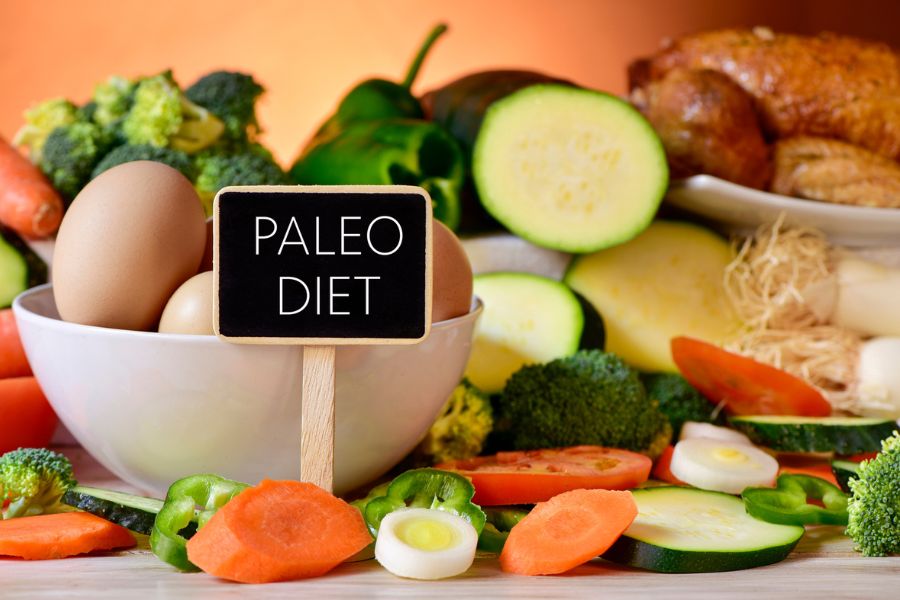
At its core, the paleo diet centers on foods that would have been available to hunter gatherers. In practice, that means you eat more simple, whole ingredients and avoid modern processed products.
You typically focus on:
- Lean meats and poultry
- Fish and seafood
- Eggs
- Vegetables, especially non starchy ones
- Fruits
- Nuts and seeds
- Natural fats from foods like avocado, olive oil, nuts, and fish
You usually avoid:
- Grains, including wheat, rye, barley, and oats
- Legumes, such as beans, lentils, and peanuts
- Dairy products
- Refined sugar and most processed foods
This pattern is high in protein and relatively low in refined carbohydrates, which can naturally lower your intake of foods that spike blood sugar and contribute to weight gain. The Harvard T.H. Chan School of Public Health notes that a typical paleo diet includes about 30 percent of calories from protein, around 40 percent from mostly unsaturated fats, and about 30 percent from carbohydrates from fruits and vegetables (Harvard T.H. Chan).
Use paleo for weight loss support
Many people explore paleo diet benefits to lose weight without counting every calorie. When you cut out refined carbs and processed snacks, you often eat fewer empty calories and more filling protein and fiber.
Several randomized controlled trials, most under 6 months, found that people following a paleo diet lost more weight, reduced waist circumference more, and improved blood pressure and cholesterol compared with people following standard national nutrition guidelines (Harvard T.H. Chan). A larger meta analysis of 21 trials with 700 adults found average weight loss of about 5.8 kilograms and a BMI drop of 2.1 in the short term, which was greater than various healthy control diets (PMC).
In longer studies, over 6 months, people on paleo continued to lose weight, averaging about 8.7 kilograms lost and significant reductions in waist size and fat mass (PMC). This suggests you can use paleo not only as a short reset but as a longer term weight management strategy, as long as the approach is sustainable for you.
You may find weight loss easier on paleo because:
- Higher protein helps you feel full
- Whole foods require more chewing and time, which can slow eating
- Cutting refined carbs and added sugar reduces overeating triggers
If weight loss is your main goal, you will still want to keep portions of calorie dense foods like nuts, oils, and fatty meats in check, even when they are technically paleo friendly.
Support blood sugar and diabetes management
If you have prediabetes or type 2 diabetes, you might be drawn to paleo diet benefits for blood sugar control. The diet naturally limits many high glycemic foods, such as white bread, sugary drinks, and desserts.
Some people with type 2 diabetes report fast improvements. Everyday Health notes that some individuals saw better blood pressure, improved cholesterol, and blood sugar consistently within target range within weeks, along with reductions in diabetes medications (Everyday Health). A registered dietitian quoted in the same article explains that the lower carbohydrate intake on paleo means you eat fewer foods that sharply raise blood sugar (Everyday Health).
However, when researchers compare paleo to other well designed healthy diets, results are more mixed. A 2020 systematic review of four randomized trials in people with blood sugar issues found no significant differences in fasting glucose, fasting insulin, insulin resistance, or HbA1c between paleo and control diets (PMC). In other words, a paleo diet did not clearly beat other healthy eating patterns for blood sugar control in these small studies.
A larger meta analysis of 21 trials did show that a paleo pattern improved fasting plasma glucose, fasting insulin, and insulin resistance, particularly in the short term, and these benefits were maintained over the longer term as well (PMC).
What this means for you:
- A paleo style approach that cuts refined carbs, added sugar, and processed foods can help your blood sugar.
- It is not magically superior to every other healthy diet, such as a balanced Mediterranean or plant forward approach.
- If you have diabetes, you need to talk with your doctor before starting paleo, since medication doses might need adjustment. Everyday Health stresses that reductions in insulin or other drugs may not be permanent and that medical supervision is important (Everyday Health).
Improve heart and metabolic health markers
Beyond weight and blood sugar, you may see improvements in your cholesterol levels, blood pressure, and triglycerides when you adopt a paleo pattern, especially if your previous diet was high in ultra processed foods.
Short term trials have reported:
- Lower total cholesterol and LDL cholesterol compared with control diets in the short term, with reductions of about 0.6 mg/dL for total cholesterol and 0.37 mg/dL for LDL (PMC)
- Reduced triglyceride levels, including in a 2 year trial of postmenopausal women with obesity, where paleo led to greater triglyceride reductions than a Nordic diet at 6 and 24 months (Harvard T.H. Chan)
- Decreases in systolic blood pressure by about 6.9 mmHg and diastolic by about 4.9 mmHg in the short term, which were generally larger than control diets (PMC)
These changes likely come from a combination of weight loss, higher intakes of fruits and vegetables, and the removal of highly processed foods with added salt, sugar, and unhealthy fats. The Harvard T.H. Chan School highlights that paleo encourages nutrient dense, whole fresh foods and avoidance of processed products, which can naturally improve overall diet quality (Harvard T.H. Chan).
A study of young adults in Spain also found that higher adherence to a paleo style pattern was linked with lower cardiovascular risk factors, likely because it cut out many ultra processed foods while increasing fruits and vegetables (Mayo Clinic).
Enjoy better digestion and fewer processed foods
When you follow a thoughtful version of paleo, you naturally eat more vegetables and whole foods. The National University of Natural Medicine notes that people who adopt a paleo diet often increase their intake of vegetables and fiber, which supports gut health and may reduce overall inflammation (NUNM).
By default, you also remove:
- Refined flours and sugary snacks
- Packaged convenience meals
- Sugary drinks
This simple shift away from ultra processed products is one of the biggest paleo diet benefits. It can reduce blood sugar swings, improve digestion for many people, and help you tune in more closely to your hunger and fullness cues.
However, there is a nuance you should know. Long term, very strict versions of paleo that completely exclude grains and dairy can significantly lower your intake of resistant starch. A 2020 Australian study found that strict paleo followers had lower resistant starch intake than controls, which could affect bowel health, and they also had higher levels of TMAO, a compound linked with cardiovascular disease (PMC). Their gut microbiota shifted as well, with more TMA producing bacteria and less grain intake (PMC).
So, while your digestion might initially feel better on paleo, it is important to build plenty of fiber from vegetables, fruits, nuts, seeds, and possibly small amounts of starchy vegetables to keep your gut happy, especially if you are not eating grains or legumes.
Think of paleo as a whole food template rather than a rigid rulebook. The quality and variety of what you choose matter as much as what you cut out.
Be aware of potential drawbacks and risks
No eating plan is perfect for everyone, and paleo is no exception. Before you commit fully, it helps to understand where problems can arise.
Nutrient gaps from excluded food groups
The paleo diet removes grains, legumes, and dairy. These foods are major sources of:
- Fiber and resistant starch
- B vitamins
- Iron, magnesium, and selenium
- Calcium and vitamin D
Monte Nido points out that excluding grains eliminates key nutrients that support blood sugar control, cholesterol management, and chronic disease prevention (Monte Nido). Avoiding dairy can make it harder to meet your calcium and vitamin D needs, which are important for bone health (Monte Nido). The Mayo Clinic also flags potential deficiencies in fiber, vitamins, and calcium over the long term (Mayo Clinic).
You can reduce these risks by:
- Eating generous amounts of vegetables, including leafy greens and cruciferous vegetables
- Adding small fish with bones, like canned salmon or sardines, for calcium
- Getting vitamin D from sunlight exposure and possibly supplements under medical guidance
- Including a wide variety of nuts, seeds, and fruits for micronutrients
High saturated fat and red meat intake
Some popular versions of paleo encourage large amounts of red meat and high fat animal products. Monte Nido notes that this can push saturated fat intake up to around 50 grams per day, far above the roughly 13 grams often recommended (Monte Nido). High saturated fat intake from red meat and processed meat has been linked with increased risk of heart disease, kidney disease, bowel cancer, and higher LDL cholesterol (Monte Nido).
The 2020 Australian study found that people following strict paleo had higher saturated fat intake, higher HDL but also higher total cholesterol, body weight, and BMI compared with controls, despite claims that paleo improves gut health (PMC).
To keep your version of paleo heart friendly, you can:
- Prioritize lean meats and poultry
- Eat more fish and seafood
- Use olive oil and avocado instead of relying heavily on butter or coconut oil
- Avoid processed meats like bacon and sausages as everyday staples
Restrictive and hard to sustain
The Mayo Clinic and Harvard T.H. Chan both highlight that the restrictive nature of paleo may make long term adherence challenging and may lead to suboptimal nutrient intake (Mayo Clinic, Harvard T.H. Chan). The National University of Natural Medicine also notes that the diet can be time consuming and costly because it relies on fresh, often local foods, and that it is especially difficult for vegetarians and vegans since it excludes legumes, a key plant protein source (NUNM).
If paleo feels too rigid, you might do better with a “paleo inspired” pattern, where you:
- Keep the focus on whole foods and vegetables
- Still limit ultra processed foods and sugar
- Choose to include some legumes, whole grains, or fermented dairy in moderation
This flexible approach may capture many paleo diet benefits without the same level of restriction.
Decide if paleo is right for you
Ultimately, paleo is one of several whole food patterns that can improve health. Short term research suggests it can help with weight loss, fat loss, blood pressure, cholesterol, and insulin sensitivity, sometimes more than standard guideline diets (Harvard T.H. Chan, PMC). At the same time, the Mayo Clinic emphasizes that long term benefits and risks are not fully understood, and that healthy lifestyles with balanced diets rich in fruits and vegetables can offer similar gains without excluding major food groups (Mayo Clinic).
If you want to try paleo, you can start with a short, realistic experiment:
- For 2 to 4 weeks, focus on meat, fish, eggs, vegetables, fruits, nuts, and seeds.
- Remove sugary drinks, sweets, white bread, and highly processed snacks first.
- Choose lean proteins and plenty of colorful vegetables to balance your plate.
- Pay attention to how your energy, digestion, mood, and blood sugar feel.
- After the trial, decide whether to keep going strictly or to adopt a more flexible, paleo inspired routine.
If you have diabetes, heart disease, kidney disease, or a history of eating disorders, speak with your healthcare provider before making major diet changes. Individual responses vary, which the National University of Natural Medicine also underscores, so it is wise to monitor cholesterol, blood pressure, and blood sugar as you adjust your eating pattern (NUNM).
Try beginning with one simple change today, such as swapping your usual refined grain based breakfast for a plate of eggs, sautéed vegetables, and a side of berries. Notice how you feel over the next few hours. Then you can build from there, at a pace that fits your life.
About the Author