Recognize when intermittent fasting is not working
If you have been consistent with your schedule but notice intermittent fasting not working for weight loss or energy, you are not alone. Research shows that simply shrinking your eating window often does not lead to significant weight loss over time for many people (Johns Hopkins Medicine).
Before you give up on your plan, it helps to look at how you are fasting, what you eat when you are not fasting, and how your lifestyle supports or fights against your efforts.
Signs your current approach needs a reset
You might need to adjust your plan if you notice:
- Your weight is stable or increasing after several weeks of consistency
- You feel unusually tired, irritable, or distracted most days
- Fasting is increasing your anxiety or leading to binge eating
- You are constantly “starting over” after weekends or stressful days
If any of this sounds familiar, the sections below will help you troubleshoot what might be getting in the way.
Focus on what you eat, not just when
A very common reason for intermittent fasting not working is relying on the eating window to do all the work while food quality stays the same.
Why food quality matters
Studies highlight that if you fill your eating window with high calorie junk food and oversized fried meals, you are unlikely to lose weight or improve your health, regardless of how strictly you fast (Johns Hopkins Medicine).
Ultra processed foods and lots of added sugars can:
- Spike your blood sugar
- Increase cravings later in the day
- Promote fat storage instead of fat loss (Fay Nutrition)
Simple food upgrades during your eating window
You do not need a perfect diet, but a few shifts can make your fasting effort more effective:
- Build meals around protein, such as eggs, chicken, fish, tofu, or beans
- Add fiber from vegetables, fruits, whole grains, and legumes
- Include healthy fats such as olive oil, nuts, seeds, and avocado
- Limit ultra processed snacks and sugary drinks to occasional treats
Aim for meals that are satisfying enough that you are not hunting for snacks an hour later.
Avoid eating more than you realize
If intermittent fasting is not working for you, hidden calories may be the reason. Many people underestimate how much they eat and overestimate how active they are.
How “calorie creep” happens
Research shows that people often underestimate food intake by about 53 percent and overestimate physical activity by about 47 percent (Fay Nutrition). In one study on intermittent fasting, participants:
- Ate about 6 percent more the day before a low calorie day
- Ate about 14 percent more at breakfast after fasting
- Reduced physical activity by 11 percent the day before and 18 percent on the low calorie day (News-Medical)
The extra calories plus less movement canceled out nearly half of the expected calorie deficit.
Ways to get more accurate about intake
You do not have to count calories forever, but short term tracking can give you a reality check. Try for one week:
- Logging what you eat in an app or a simple notebook
- Measuring typical portions once or twice so your eye gets used to real serving sizes
- Eating until you feel comfortably full, not stuffed
- Pausing halfway through a meal to ask if you are still hungry
This brief audit can highlight where you might be unintentionally overeating during your eating window.
Do not break your fast with “empty” meals
How you start eating again after a fast can set the tone for your entire eating window.
Why your first meal matters
If you break a fast with low protein, low fiber foods like pastries, candy, or chips, you may feel:
- Hungry again very quickly
- Tired, foggy, or unfocused
- More likely to keep snacking all afternoon
Protein helps maintain lean body mass and keeps you full. Fiber slows digestion and steadies blood sugar. Without enough of either, your results can suffer (EatingWell).
Better options for your first meal
When you break your fast, try including:
- Protein: eggs, Greek yogurt, cottage cheese, poultry, fish, tofu, tempeh, beans
- Fiber: berries, greens, oats, lentils, whole grain toast, quinoa
- Healthy fat: nuts, seeds, avocado, olive oil
For example:
- Greek yogurt with berries, chia seeds, and a sprinkle of granola
- Scrambled eggs with spinach and a slice of whole grain toast
- Lentil soup with a side salad and olive oil dressing
These combinations help you stay satisfied and reduce the urge to overeat later.
Make sure your fasting window fits you
If you feel like intermittent fasting is not working, your fasting schedule itself might not be a good fit for your body or your lifestyle.
Not all fasting schedules work the same
Research suggests that some people simply do not respond well to certain fasting lengths. For example:
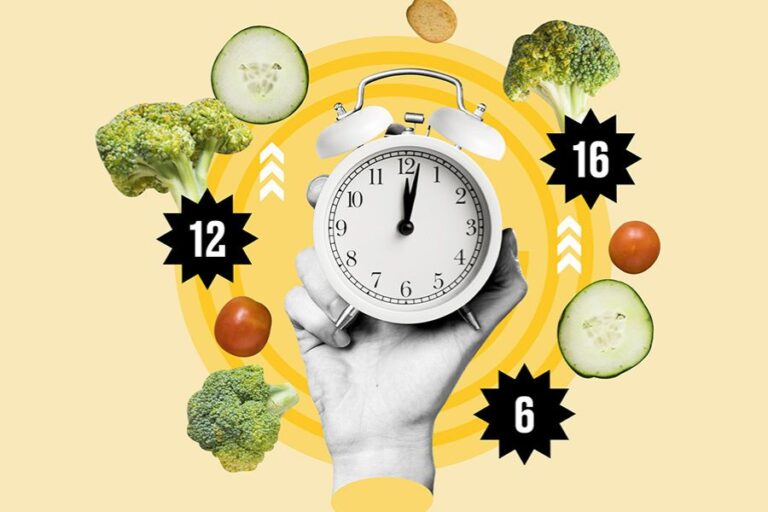
- Some see no benefit from shorter fasts, such as 12 hours
- Others may only notice changes with longer windows, such as 16 hours (Medical News Today)
At the same time, very long fasts of 24 hours or more can be risky. Johns Hopkins Medicine cautions that extended fasting may be dangerous and might even trigger your body to store more fat in response to perceived starvation (Johns Hopkins Medicine).
Signs your fasting window is not right
You may need to adjust your schedule if you notice:
- Constant, distracting hunger that does not ease after a couple of weeks
- Frequent headaches, nausea, or anxiety after starting IF (Johns Hopkins Medicine)
- Intense evening or late night binges
- Feeling weak or lightheaded during normal activities
According to Johns Hopkins neuroscientist Mark Mattson, it can take 2 to 4 weeks for your body to adapt to intermittent fasting, so some early hunger and irritability can be normal (Johns Hopkins Medicine). If problems continue beyond that, it may be time to change your approach.
Try flexible, not rigid, timing
Being too strict with timing can backfire. Experts note that refusing to adjust your eating window to real life can lead to discouragement and make it harder to stick with your plan long term (EatingWell).
Consider:
- Shifting your window earlier or later to match your natural hunger
- Allowing slightly longer or shorter windows on busy days
- Picking a schedule that works with your family, work, and social life
A plan that fits your life is more sustainable than one you constantly struggle to follow.
Do not go to extremes with calories
If intermittent fasting is not working, it might be because you are eating too much during your window or far too little overall.
When you eat too much
Eating until you are stuffed at every meal or viewing your window as a “free for all” can cancel out any calorie deficit from fasting. Many people fall into this when they feel they must “make up for” the fasting period.
Common signs:
- You often finish meals uncomfortably full
- You feel sluggish or sleepy after eating
- Your weight is stable or rising despite regular fasting
When you are eating too little
At the other extreme, eating less than about 1,200 calories per day for most adults can:
- Increase the risk of muscle and bone loss
- Slow your metabolism over time
- Make it very hard to get enough nutrients (EatingWell)
Some people also trigger a “starvation” type response when calories stay too low for too long, which can stall weight loss (Nourish).
Finding a middle ground
To avoid both extremes:
- Eat regular, balanced meals during your window instead of one giant feast
- Aim to feel satisfied, not overly full, after meals
- Avoid long term very low calorie intake unless supervised by a medical professional
If you are unsure about how much you should be eating, working with a registered dietitian can help you find a realistic range (Nourish).
Support your fasting with movement
Even the best fasting plan will struggle against very low daily activity.
How lower activity undermines results
In one intermittent fasting study, participants moved less on low calorie and pre fasting days, especially in everyday activities like walking and household chores. Their physical activity dropped by 11 to 18 percent, which reduced the total calorie deficit (News-Medical).
If you are fasting and also:
- Sitting most of the day
- Skipping workouts because you feel weak
- Avoiding normal tasks because you are tired
your body may not be burning as much energy as you expect.
Gentle ways to add more movement
You do not need intense workouts for fasting to be effective. Instead, focus on:
- Daily walks, even for 10 to 20 minutes at a time
- Light strength training a few times a week
- Standing or stretching breaks if you have a desk job
- Household tasks such as cleaning or gardening
The goal is to keep your overall movement up so your fasting efforts actually translate into progress.
Watch out for stress, sleep, and mental health
You can do intermittent fasting perfectly on paper and still struggle if stress and sleep are not in a good place.
How stress and sleep affect your results
Chronic stress and poor sleep can increase cortisol and disrupt hunger hormones, which can:
- Raise your appetite
- Increase cravings, especially for sugary or high fat foods
- Make it harder to stop eating when you feel full (Fay Nutrition)
If fasting is adding to your stress or making you more anxious about food, it may not be the right approach for you.
Protecting your emotional well being
Rigid rules about when you can eat can sometimes worsen an already complicated relationship with food. For some people, intermittent fasting:
- Triggers binge and restrict cycles
- Increases guilt around eating
- Makes social occasions stressful (Fay Nutrition)
If you have a history of disordered eating, many experts recommend avoiding intermittent fasting or only trying it with close medical guidance (Medical News Today).
Practical steps that may help:
- Prioritize a regular sleep schedule as much as you can
- Use non food tools for stress such as a short walk, journaling, or breathing exercises
- Consider talking with a therapist or dietitian if food rules feel overwhelming
Your mental health is more important than any specific eating pattern.
Consider your hormones, health, and unique needs
Intermittent fasting is not one size fits all. Age, sex, health conditions, and medications can all influence how your body responds.
When intermittent fasting may not be a good fit
IF may not be appropriate, or may need close supervision, if you:
- Have a history of disordered eating
- Are pregnant or breastfeeding
- Take medications that must be taken with food at specific times
- Have certain chronic illnesses
Women, especially in their reproductive years, may experience hormonal shifts that affect weight and menstrual cycles. Research in humans is still limited, so more data is needed, but caution and medical guidance are recommended (Fay Nutrition).
Ignoring these individual factors can lead to fatigue, nutrient gaps, and worsened health outcomes (Regeneration Health).
Safety concerns you should know
A 2024 observational study of over 20,000 U.S. adults reported that people practicing a 16:8 fasting pattern had a 91 percent higher risk of death from cardiovascular disease compared with those who spread their eating across 12 to 16 hours (Medical News Today). This study shows correlation, not causation, and it has not yet been peer reviewed. It does, however, highlight why it is wise to talk with your healthcare provider before starting or intensifying fasting.
Johns Hopkins Medicine also warns that extended fasts of 24 hours or longer may be dangerous and are not necessarily better for weight or health (Johns Hopkins Medicine).
If you are unsure whether intermittent fasting is safe for you, check with your doctor or a registered dietitian before continuing.
Give your body time to respond
Even if you are doing most things “right,” intermittent fasting not working immediately does not always mean it has failed. Your body needs time to adapt.
How long results can take
Experts note that it can take 2 to 4 weeks for your body to adjust to a new fasting routine (Johns Hopkins Medicine). Some dietitians suggest that visible weight changes can take 1 to 3 months, depending on your starting point and specific plan (Nourish).
During this time you may notice:
- Mild hunger or irritability, especially early on
- Gradual improvements in energy or focus
- Small fluctuations on the scale from water, hormones, and digestion
A 2023 review found that intermittent fasting may improve quality of life, reduce fatigue, and lower certain markers such as IGF 1, even if weight loss is similar to other diets (EatingWell). This suggests that benefits can go beyond the number on the scale.
When to reconsider your approach
It might be time to rethink your plan if, after a few consistent months, you notice:
- No meaningful change in weight or waist measurements
- Ongoing fatigue, headaches, or mood changes
- Increased anxiety, food obsession, or binge eating
In that case, switching to a different style of eating or working with a professional can help you find something that supports both your health and your day to day life.
Put it all together: next steps you can take
If your intermittent fasting is not working, you do not have to overhaul everything at once. Start with one or two small, realistic changes and give yourself time to see how your body responds.
You might:
- Upgrade your first meal after fasting to include solid protein and fiber
- Log your food for a week to check how much you are eating
- Shorten or slightly lengthen your fasting window to match your hunger and schedule
- Add short daily walks or light strength sessions
- Focus on improving sleep and stress management
If you continue to feel stuck or unsure, consider meeting with a registered dietitian who can help tailor a plan to your health history and goals (Nourish).
The most effective approach is the one you can live with, that supports your physical and mental health, and that moves you steadily, even slowly, toward how you want to feel in your body.
About the Author