Rethink your intermittent fasting cardio
If you already practice intermittent fasting cardio, you are likely doing it to lose fat, feel lighter, or support better health. You work out in a fasted state, often in the morning, because you have heard it helps your body tap into stored fat.
Parts of that are true. Research shows that doing cardio while you are fasting can increase fat oxidation during your workout, especially at low to moderate intensity (Healthline). The problem is that higher fat burning during a single session does not automatically mean better results over weeks and months.
To get the most from intermittent fasting and cardio together, you may need to adjust how, when, and why you use this combo.
Understand what fasted cardio really does
Before you change your routine, it helps to understand what is happening inside your body when you do cardio while fasting.
How your body fuels fasted cardio
After about 10 to 12 hours without food, your body has used up much of the glycogen stored in your muscles and liver. Glycogen is stored carbohydrate, and it is your preferred quick energy source for exercise (UCLA Health).
When glycogen is lower, your body:
- Uses more stored fat for fuel
- Uses less carbohydrate during the workout
- May tap into some protein from muscle if the workout is long or intense, which can work against muscle building goals (UCLA Health)
So yes, you do tend to burn more fat during the session. But body composition changes depend on your full day and week, not just what happens in a 30 minute window.
Why “more fat burned” does not always mean “more fat lost”
Several studies show that while fasted cardio can increase fat oxidation during exercise, it does not consistently lead to better fat loss or body composition compared with eating before your workout (UCLA Health).
A 2017 study, for example, did not find significant differences in body composition when comparing fasted and fed cardio over time (UCLA Health).
In simple terms, your body adjusts across the whole day. If fasted cardio leaves you more tired, hungrier, or less motivated, you might:
- Move less later in the day
- Eat more than usual
- Skip strength training or harder workouts
All of that can erase the small fat-burning edge you gain during the workout itself.
See if your current routine is holding you back
If your intermittent fasting cardio routine looks something like “wake up, do hard cardio with no food, repeat daily,” there are a few red flags to watch for.
Signs your fasted cardio needs a change
You may benefit from an adjustment if you notice:
- You feel dizzy, shaky, or lightheaded during workouts
- Your energy, motivation, or enjoyment drop once the workout starts
- You are not getting stronger, fitter, or leaner over time
- Your legs feel heavy and your usual pace feels harder
- You are sore for longer than usual after simple workouts
In one study with 8 men and 8 women, fasted cycling increased fat oxidation but decreased performance, energy, motivation, and enjoyment compared with eating beforehand (Healthline). If that sounds familiar, your routine is likely too aggressive for your current fitness and lifestyle.
Who should avoid fasted cardio altogether
You should skip fasted cardio and talk with a healthcare provider before trying it if you:
- Have any condition affected by low blood sugar or blood pressure
- Are pregnant
- Are new to exercise
These groups face higher risk of low blood sugar, dehydration, and reduced performance during fasted workouts (Healthline).
If that is you, you can still benefit from intermittent fasting for weight loss, but your workouts will usually be safer and more effective with some fuel in your system.
Put intermittent fasting in perspective
It is easy to focus on cardio timing and forget the bigger picture. Your eating pattern matters as much as your workout schedule.
Intermittent fasting works through calorie control
Large reviews show that intermittent fasting is often as effective as traditional calorie restriction for weight loss and improving cardiometabolic health.
- A 2023 systematic review in The BMJ found that intermittent fasting approaches like alternate-day fasting, time-restricted eating, and whole-day fasting were as effective as standard calorie-restricted diets for weight loss and cardiometabolic health (Harvard T.H. Chan School of Public Health).
- Alternate-day fasting in that analysis led to about 1.3 kilograms more weight loss than regular calorie restriction, along with better waist circumference, cholesterol, triglycerides, and lower C-reactive protein, a marker of inflammation (Harvard T.H. Chan School of Public Health).
A key takeaway is that intermittent fasting helps many people eat fewer calories without focusing on every bite. The weight loss benefit mostly comes from that overall intake, not from any single fasted workout.
Why you may not need daily fasted cardio
If your main goal is to lose fat and improve health, you can:
- Use intermittent fasting to naturally reduce your calorie intake
- Focus on a mix of regular cardio and strength training
- Sleep enough and manage stress
Experts often recommend moderation, consistency, and a balanced diet with regular aerobic and strength training instead of relying on fasted cardio alone for fat loss (UCLA Health).
This means you can keep intermittent fasting if it suits your life, but you do not have to push through tough, under-fueled cardio every morning to see results.
Adjust how you combine fasting and cardio
Once you understand how intermittent fasting cardio really works, you can tweak your routine rather than abandon it. Small changes can improve your energy, safety, and results.
Choose the right intensity for fasted sessions
Low-Intensity Steady-State (LISS) is often the best match for a fasted state. LISS includes:
- Brisk walking
- Easy to moderate cycling
- Light jogging if you are already comfortable running
LISS at about 60 to 70 percent of your maximum heart rate is considered ideal for fasted cardio. It maximizes fat oxidation while staying sustainable and gentle on your body (Crunch Fitness).
High-intensity interval training (HIIT) or very hard cardio on an empty stomach often feels miserable, and it can increase your risk of burning through muscle protein for fuel rather than supporting muscle growth (Healthline).
A simple approach is:
- Fasted: Walks, easy cycling, light jogs, or recovery sessions
- Fed: HIIT, sprints, or long runs, especially if performance matters to you
Time your workouts to match your fasting window
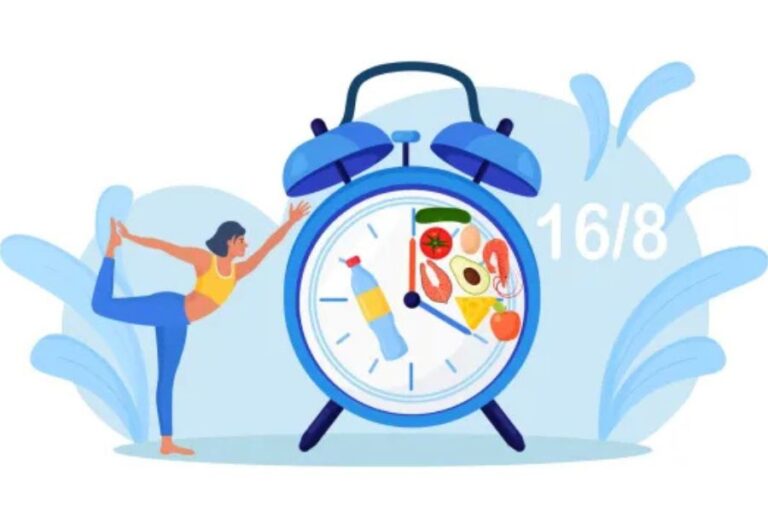
If you follow a schedule like 16:8 fasting, you can place cardio either early in the fast or close to the end, depending on your goals.
Several sources suggest:
- Morning fasted cardio after an overnight fast can take advantage of lower glycogen and higher fat-burning hormones like cortisol (Crunch Fitness, Prospect Medical).
- Doing cardio 1 to 2 hours before your first meal can support fat burning while letting you refuel soon after for better recovery (Crunch Fitness).
- Working out earlier in the day, ideally before breakfast, may also line up well with your natural circadian rhythm and hormone patterns (Prospect Medical).
You do not have to follow an exact clock. The main idea is to schedule the tougher or longer workouts so they are not too far from a solid meal.
Protect your muscles while fasting
If you care about staying strong and lean, you want to avoid turning your intermittent fasting cardio routine into an accidental muscle-loss plan.
A few ways to protect muscle:
- Keep most fasted cardio low to moderate intensity and under 45 minutes.
- Include regular strength training, ideally in a fed state, to maintain or build muscle.
- Eat enough protein across your eating window to support muscle repair.
- After fasted cardio, eat within 30 to 60 minutes, focusing on protein plus some complex carbohydrates (Crunch Fitness).
Fasted cardio can be part of a muscle-friendly routine as long as you refuel and make room for strength work.
Combine cardio with strength and recovery
Your body responds best when you treat exercise and fasting as parts of a bigger plan, not stand-alone tools.
Why strength training matters with intermittent fasting
A 2024 review on athletes found that intermittent fasting can reduce fat mass while maintaining lean muscle and does not harm performance in aerobic, anaerobic, or strength and power tests when the protocol is well planned (Nutrients via PMC).
Time-restricted feeding with a 16 hour fast and 8 hour eating window, similar to a 16:8 schedule, was especially common. In these cases:
- Aerobic performance stayed steady, based on cycling tests and similar measures.
- Anaerobic performance, like short sprints or high-power efforts, was maintained.
- Strength and power also stayed intact when training was done sensibly (Nutrients via PMC).
This suggests you can pair intermittent fasting with both cardio and strength training without sacrificing performance, as long as you:
- Eat enough during your feeding window
- Time some of your heavier training closer to meals
- Avoid extreme fasting patterns if you are training very hard or very often
Use HIIT and lifting strategically
High-intensity work can fit into an intermittent fasting lifestyle, but it may not belong in your fully fasted sessions.
Some findings and guidance include:
- Sprint or HIIT sessions during fasting may significantly boost growth hormone and support body composition, testosterone, and even brain stamina, but they are demanding and usually better for trained individuals (Prospect Medical).
- Weight lifting in a fasted state is possible, but you need a good recovery meal soon after to replenish glycogen and provide protein for repair (Prospect Medical).
If you enjoy HIIT or lifting, you might:
- Schedule HIIT near the start or end of your eating window so you can fuel or refuel nearby.
- Keep heavy lifting closer to meals and treat fully fasted lifting days as the exception, not the rule.
- Reserve truly fasted sessions for lighter cardio or mobility work.
Do not ignore sleep and hydration
Intermittent fasting and cardio will work better if your body is rested and hydrated.
Try to:
- Get consistent sleep, since disrupted sleep can hurt performance and hunger control.
- Drink water throughout your fast to avoid compounding dehydration from exercise.
- Be cautious with long fasts that also restrict fluids, such as strict Ramadan-style fasting, since this pattern has been linked to performance drops in elite athletes due to disturbed sleep and feeding cycles (Nutrients via PMC).
Small habits like going to bed on time and sipping water before early cardio can make your fasted sessions feel far more manageable.
Make your new routine sustainable
The best intermittent fasting cardio routine is one you can stick with. Instead of chasing a perfect schedule, focus on a pattern that fits your life and still respects what the research shows.
Questions to help you redesign your routine
Use these prompts to shape a more effective plan:
- How many days per week can you realistically do fasted cardio without feeling drained?
- Which days are better for strength training or HIIT, and can you place those closer to meals?
- Do you feel better when you work out early in your fast or closer to your first meal?
- Are you seeing slow, steady progress in how your clothes fit, how you feel, or your performance?
Your answers can help you decide whether to:
- Reduce fasted sessions and add a few fed workouts
- Lower the intensity of your early-morning cardio
- Adjust your eating window so your toughest workouts fall during or near it
A sample week to inspire you
Here is a simple example that combines intermittent fasting, cardio, and strength work. You can adjust it to your schedule and fitness level.
-
Monday
-
Morning: 30 minutes fasted walk or easy bike ride
-
Eating window: 12 p.m. to 8 p.m., include protein-rich lunch and dinner
-
Tuesday
-
Afternoon (fed): Strength training session during eating window
-
Wednesday
-
Morning: Rest or light stretching in a fasted state
-
Thursday
-
Late morning: Moderate cardio near the end of your fast, then eat within an hour
-
Friday
-
Afternoon (fed): HIIT or strength workout, followed by balanced meal
-
Weekend
-
One active day with a longer walk, hike, or bike ride
-
One easier day for recovery and sleep catch up
This kind of layout blends the benefits of intermittent fasting and cardio without asking your body to perform at its peak with no fuel every single day.
Key takeaways for your next step
If your intermittent fasting cardio routine has started to feel draining or has stopped delivering results, it probably needs an update, not a complete reset.
Here is what to keep in mind:
- Fasted cardio can increase fat use during a workout, but long-term fat loss depends on your overall calorie intake, training, and recovery, not on one “magic” workout style (UCLA Health).
- Intermittent fasting is about more than workouts. It often works for weight loss because it helps you eat less overall, and research supports its effectiveness for both weight and cardiometabolic health (Harvard T.H. Chan School of Public Health).
- Low to moderate intensity is usually the best fit for fasted cardio, while harder intervals and heavy lifting tend to work better with some fuel.
- You can protect muscle and performance by limiting very hard sessions in a fully fasted state, strength training regularly, and refueling within an hour after workouts.
- Your routine should feel sustainable. If fasted cardio regularly leaves you lightheaded, exhausted, or unmotivated, that is useful feedback, not a sign to push harder.
You do not have to abandon intermittent fasting or cardio. By tweaking how you combine them, you can support fat loss, protect your muscles, and feel better during and after your workouts.
About the Author