Understand what intermittent fasting is
If you are exploring intermittent fasting for beginners, it helps to first understand what it actually involves. Intermittent fasting is an eating pattern that alternates between set periods of eating and fasting. Instead of focusing on what you eat, it focuses on when you eat.
During your fasting window, you either avoid calories entirely or keep them very low. During your eating window, you eat your regular meals, ideally with a focus on nutrient-dense foods. Over hours without food, your body uses up stored sugar and then begins to burn fat for energy, a shift called metabolic switching (Johns Hopkins Medicine).
Researchers have been studying intermittent fasting for decades. Early evidence suggests it may support:
- Weight management and fat loss
- Better blood sugar control
- Improved metabolic health and cell repair
- Protection against some chronic diseases like type 2 diabetes, heart disease, and certain cancers (Johns Hopkins Medicine)
At the same time, it is not a miracle cure or automatically better than every other way of eating. Some studies show mixed results on weight loss compared with other diets, even though people may feel less fatigue and enjoy a better quality of life (EatingWell).
Compare common fasting methods
As a beginner, you have several intermittent fasting schedules to choose from. The right one for you depends on your routine, health, and how your body responds.
12-hour overnight fast
This is often the easiest version of intermittent fasting for beginners. You fast for 12 hours each day, including sleep. For example, you might stop eating at 7 p.m. and have breakfast at 7 a.m.
- Pros: Gentle, simple, and close to a typical routine
- Potential benefit: Encourages your body to start using fat stores overnight for energy (Medical News Today)
- Best for: Absolute beginners or anyone nervous about longer fasts
16:8 time-restricted eating
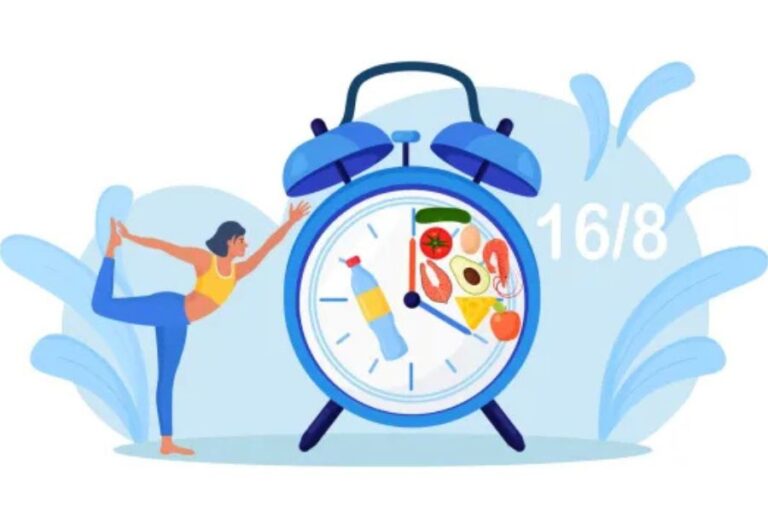
With the 16:8 method, you fast for 16 hours and eat within an 8-hour window, such as 11 a.m. to 7 p.m. or noon to 8 p.m. Many people skip breakfast and have two to three meals during the eating window.
Research suggests that 16:8 may help with weight management and blood sugar control in adults with overweight or obesity (Medical News Today). However, some observational research has raised concerns about heart health when this exact pattern is used long term. A 2024 study of more than 20,000 U.S. adults linked a 16:8 style schedule with a higher risk of death from cardiovascular disease, but it did not prove that the fasting pattern caused the risk and the study is not yet peer reviewed (Medical News Today).
- Pros: Popular, flexible, and easy to plan around
- Cons: May feel challenging if you are used to late-night snacking or early breakfasts
- Best for: Beginners who are comfortable with skipping one meal and want a clear daily routine
5:2 intermittent fasting
With the 5:2 diet, you eat normally five days a week. On two nonconsecutive days, you limit your intake to about 500 to 600 calories.
One study in adults with obesity found greater weight loss at six weeks when 5:2 was paired with group support, although the weight loss difference faded by one year (Medical News Today).
- Pros: Only two days a week are restricted
- Cons: Very low-calorie days can feel difficult, especially at first
- Best for: People who prefer regular meals most days and can plan ahead for lower-calorie days
Alternate-day fasting and 24-hour fasts
More advanced forms of intermittent fasting include:
- Alternate-day fasting: You eat normally one day, then fast or eat very few calories the next.
- 24-hour fasting: You go from dinner one day to dinner the next with no calories, usually one or two times per week.
These approaches can be intense. Alternate-day fasting in particular is considered extreme and may be hard to maintain long term, especially for beginners or people with health conditions (Medical News Today). Longer fasts of 24 hours or more may also push your body to store more fat if you overcompensate later (Johns Hopkins Medicine).
- Pros: Significant fasting periods for those who feel ready
- Cons: Higher risk of side effects like fatigue, irritability, or overeating on nonfasting days
- Best for: Only under medical guidance, and generally not as a first step
Know who intermittent fasting is and is not for
Intermittent fasting can be helpful for many people, but it is not suitable for everyone.
You should talk with your healthcare provider before starting if you:
- Have advanced diabetes or take medications that affect blood sugar
- Are pregnant, trying to become pregnant, or breastfeeding
- Have a history of eating disorders or disordered eating
- Take medications that require food at specific times
- Have chronic conditions that might be affected by changes in eating patterns
Experts emphasize that some groups should avoid intermittent fasting altogether, such as people with advanced diabetes, pregnant women, and those with a past eating disorder (University of Michigan).
It is also important to consider your lifestyle. If social meals like family breakfasts or late dinners are a key part of your well-being, a strict fasting schedule might cause more stress than benefit (Mayo Clinic).
Start slowly and let your body adjust
Your body needs time to adapt to any new eating pattern. When you begin intermittent fasting for beginners, easing in can make a big difference.
Researchers at Johns Hopkins note that it can take 2 to 4 weeks to get used to intermittent fasting. During that adjustment period you might feel hungry, tired, or irritable, but many people report feeling better overall once their bodies adapt (Johns Hopkins Medicine).
A gentle progression plan
You might use a step-by-step approach like this:
- Week 1: Aim for 12 hours of fasting overnight. For example, finish dinner by 7 p.m. and eat breakfast at 7 a.m.
- Week 2: Extend to a 13 or 14 hour fast if you feel comfortable, such as 7 p.m. to 9 a.m.
- Week 3 and beyond: If you continue to feel well, move toward a 16:8 schedule or another pattern that suits your routine (University of Michigan).
If you find yourself constantly hungry, lightheaded, or overly focused on food, that is a sign to slow down. You can lengthen your eating window again or return to a 12-hour fast until you feel stable.
Choose what to eat during your eating window
Intermittent fasting does not give you a free pass to eat anything you want during your eating window. The quality of your food still matters for health, energy, and weight management. The University of Michigan guide stresses that nutritional value remains extremely important during eating periods (University of Michigan).
Build balanced meals
Aim for meals built around:
- Protein: Such as fish, poultry, eggs, beans, lentils, tofu, or yogurt. Protein helps keep you full.
- Fiber-rich carbs: Such as vegetables, fruits, whole grains, and legumes. Fiber slows digestion and supports stable energy.
- Healthy fats: Such as avocado, nuts, seeds, and olive oil. Fats help with satiety and nutrient absorption.
PrivateMDs notes that following a lower-carbohydrate approach that includes quality proteins and fats can help control appetite and stabilize blood sugar. This may make your fasting windows easier to tolerate and support metabolic flexibility over time (PrivateMDs).
Avoid extreme restriction
Eating too few calories during your eating window can backfire. Your body needs enough energy and nutrients to function. If your intake is consistently too low, you may:
- Feel exhausted and weak
- Experience mood swings
- Disrupt your hormones and menstrual cycle
- Stall your weight loss progress
If you find that your chosen eating window does not give you enough time to eat a satisfying amount of food, consider gently extending the window. PrivateMDs suggests that beginners who struggle to consume enough during a short window can benefit from lengthening it to better support health and goals (PrivateMDs).
Plan your meals and routine
A bit of planning can help intermittent fasting feel more natural and sustainable. Eating at unusual times or within a narrower window can easily lead to skipped meals or impulsive food choices if you are not prepared.
Simple planning steps
- Decide your fasting schedule first. Choose your fasting and eating windows according to your job, family meals, and sleep.
- Sketch out basic meals. You do not need a complicated meal plan, but having a rough idea of what you will eat can prevent last-minute takeout.
- Prep key items. Washing vegetables, cooking a batch of grains, or grilling chicken in advance can make quick balanced meals possible.
- Keep healthy snacks handy. If your eating window is, for example, noon to 8 p.m., have easy options like yogurt, nuts, fruit, or cut vegetables available.
Proper preparation reduces confusion about when and what to eat and can make the fasting pattern feel more predictable, especially at the beginning (PrivateMDs).
Avoid common intermittent fasting mistakes
Certain pitfalls can make intermittent fasting harder than it needs to be. Watching for these ahead of time can help you stay on track.
Jumping into an aggressive schedule
If you move from an all-day grazing pattern to a tight 4 or 6 hour eating window overnight, you may feel constantly hungry and discouraged. EatingWell recommends easing into intermittent fasting rather than making abrupt changes so your body and mind can adapt more comfortably (EatingWell).
Overeating when you break your fast
Arriving at your eating window extremely hungry can make it easy to eat too fast or too much. That can lead to:
- Stomach discomfort
- Energy crashes
- Difficulty reading your true hunger signals
A useful strategy is to eat slowly and check in with your body. One tip is to use a simple hunger scale from 0 to 10, where 0 means famished and 10 means uncomfortably stuffed, then aim to stop eating when you feel pleasantly satisfied, around 6 or 7 (EatingWell).
Eating very little during your window
On the other side, eating far too little can leave you drained and can affect your results. PrivateMDs highlights that consuming too few calories can negatively impact your health and your fasting outcomes (PrivateMDs). If that happens, gently extend your eating window or add another small balanced meal.
Breaking your fast without realizing it
True intermittent fasting means no calorie-containing foods or drinks during your fasting window. Even small amounts such as butter in coffee, sugary drinks, or alcohol count as breaking the fast (PrivateMDs).
During fasting periods, stick to:
- Water
- Plain black coffee
- Plain tea without milk or sugar
If you want to add milk, cream, or sweeteners, save those for your eating window.
Stay hydrated and manage hunger
Hydration plays a surprisingly big role in how you feel while fasting. You may sometimes mistake thirst for hunger, especially if you are adjusting to a new schedule.
EatingWell suggests drinking roughly 2 liters of water a day to support hydration during intermittent fasting (EatingWell). You can spread this out across both your fasting and eating windows.
Hydration tips
- Keep a reusable water bottle nearby and sip regularly.
- Include unsweetened herbal tea or sparkling water if you enjoy variety.
- Pay attention to signs of dehydration such as dark urine, headaches, or feeling unusually tired.
Foods that help you feel full
To make your eating window work harder for you, prioritize foods that keep you fuller for longer:
- High-fiber vegetables and whole grains
- Protein-rich foods like eggs, beans, yogurt, and lean meats
- Healthy fats from nuts, seeds, and avocados
Choosing these foods can support satiety and help you feel more comfortable during your fasting hours (EatingWell).
Understand possible benefits and risks
Like most health habits, intermittent fasting comes with potential upsides and downsides. Knowing both can help you make an informed choice and notice early signs that something is not working for you.
Potential benefits
Short-term research and reviews suggest intermittent fasting may:
- Support weight loss or weight maintenance
- Improve certain markers of metabolic health
- Encourage cells to focus on repair and energy balance
- Help prevent or manage conditions like diabetes and obesity
- Possibly increase longevity, although more evidence is needed (University of Michigan, Mayo Clinic)
Research summarized by Johns Hopkins also points to potential protection against diseases such as type 2 diabetes, heart disease, neurodegenerative disorders, inflammatory bowel disease, and some cancers, though much of this evidence is still emerging (Johns Hopkins Medicine).
Possible side effects and uncertainties
On the other hand, intermittent fasting can cause:
- Fatigue and low energy
- Dizziness or headaches
- Mood swings and irritability
- Constipation
- Menstrual cycle disruptions in some people
The Mayo Clinic notes that while short-term studies look promising, long-term health effects remain unclear (Mayo Clinic). Some schedules, such as 16-hour fasting with an 8-hour eating window, may also be associated with higher heart disease risk in some groups, which is why ongoing research and personal medical guidance are important.
If you notice strong side effects that do not ease after a few weeks, you may need to adjust your schedule or explore a different way of eating with your healthcare provider.
Listen to your body and adjust
Intermittent fasting for beginners does not have to look perfect to be useful. The most important part is how you feel and whether the pattern supports your life and health.
As you experiment, pay attention to:
- Your energy across the day
- Your sleep quality
- Your mood and stress levels
- Your ability to focus
- Signs of overeating or undereating
You can track how you feel in a simple notebook or app for a couple of weeks. If you notice patterns, such as feeling drained on certain fasting days or overly hungry at night, try small adjustments:
- Shift your eating window earlier or later
- Add a bit more protein or fiber to your meals
- Shorten your fasting period slightly
- Take a break from fasting during especially stressful weeks
Intermittent fasting is a tool, not a rule. You can change or stop it if it does not fit your current needs.
Key takeaways for getting started
To recap the essentials:
- Intermittent fasting focuses on when you eat rather than only what you eat.
- Start with a gentle pattern like a 12-hour overnight fast, then build up slowly if you feel well.
- Choose balanced, nutrient-dense foods during your eating window and avoid both overeating and undereating.
- Stay hydrated and use protein and fiber-rich foods to help manage hunger.
- Watch for side effects and talk with a healthcare provider, especially if you have medical conditions or take medications.
- Be flexible. Adjust your fasting schedule to your lifestyle and how your body responds.
You do not have to change everything at once. You might begin with one simple shift today, like setting a consistent time to finish eating in the evening. From there, you can observe how your body feels, then decide what your next small step will be.
About the Author