A low carb diet plan might sound restrictive at first, but it can quietly reshape your energy, appetite, and health in ways that go far beyond the scale. When you lower your carbohydrate intake and focus on higher protein, healthy fats, and plenty of vegetables, you often eat fewer calories without feeling deprived, stabilize your blood sugar, and support long term weight management. A typical low carb diet usually contains less than 26% of your daily calories from carbohydrates, which is under 130 grams of carbs per day on a 2,000 calorie diet (Healthline).
You do not need to cut every carb to see benefits. Even a moderate low carb diet plan can help you reduce added sugars and refined grains while still leaving room for fruit, whole grains, and your favorite treats in sensible amounts. The key is being intentional about where your carbs come from and what you put on your plate instead.
Understand what “low carb” really means
Before you can enjoy the surprising benefits, it helps to know what a low carb diet actually looks like in numbers and on your plate.
Many experts describe low carb in ranges. Some guidelines define a low carb diet as less than 100 grams of carbs per day, while a ketogenic diet usually drops that even further to 20 to 50 grams per day (Obesity Medicine Association). Other sources look at percentages. Under 26% of your daily calories from carbs usually counts as low carb, which is fewer than 130 grams on a 2,000 calorie plan (Healthline).
A practical way to think about it is by what you emphasize:
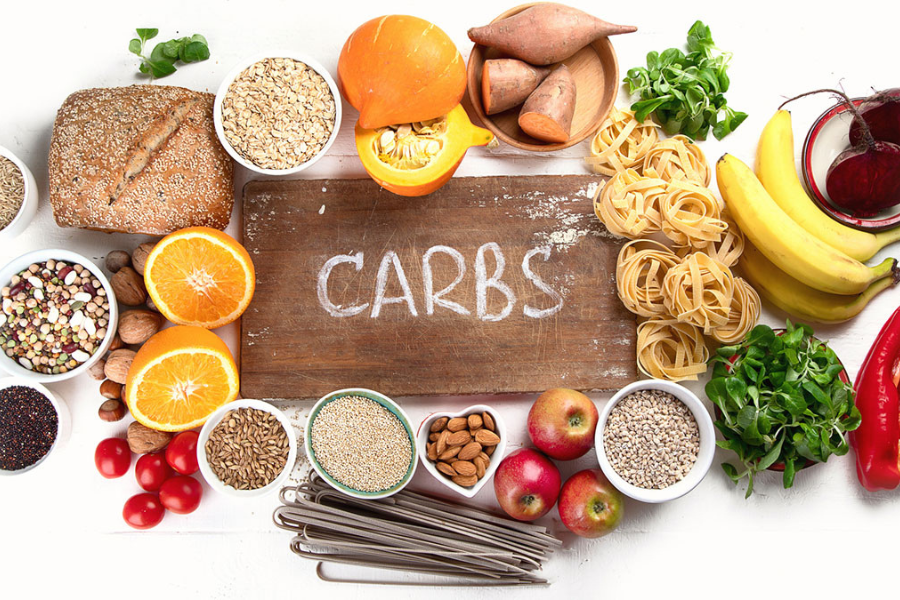
- Carbs you limit or avoid: sugary drinks, sweets, white bread, regular pasta, pastries, and many processed snacks
- Carbs you choose more often: non starchy vegetables, some fruit, and modest portions of whole grains if your plan allows
- Foods you increase: lean proteins, eggs, fish, nuts and seeds, healthy fats like olive oil and avocado, and plenty of low carb vegetables (Food Network)
You also need to be mindful of hidden calories. Even if you keep carbs low, loading up on high calorie cheeses and fatty meats can stall your weight loss, which is why generous portions of non starchy vegetables are so helpful for fullness and appetite control (Obesity Medicine Association).
Enjoy weight loss without constant hunger
One of the most noticeable benefits of a low carb diet plan is how much easier it can feel to eat less without being obsessed with food.
Several studies show that low carb diets often lead you to eat fewer calories naturally, because protein and fat keep you satisfied for longer and your blood sugar swings calm down (Healthline). When your meals rely less on quick burning carbs, you usually experience fewer mid afternoon crashes and emergency snack runs.
Research also suggests that low carb diets can trigger more rapid short term weight loss compared to low fat diets, sometimes 2 to 3 times as much in the first weeks, partly due to water loss and lower insulin levels (Healthline). Longer term, after 12 to 24 months, the difference in total weight lost tends to be smaller, but many people find low carb easier to stick with if they like savory foods and feel less hungry overall (Mayo Clinic).
The other good news is that a meaningful portion of the fat you lose on a low carb plan often comes from visceral fat around your abdomen. That is the deeper belly fat linked with inflammation, insulin resistance, and increased risk of metabolic diseases (Healthline). Losing that type of fat can improve your health even before the number on the scale reaches your target.
Support healthier blood sugar and insulin
If you struggle with blood sugar swings, prediabetes, or type 2 diabetes, a low carb diet plan can offer powerful benefits when used safely and under medical guidance.
Carbohydrates directly affect your blood sugar, so when you limit them, your blood sugar and insulin levels usually fall. Low carb and ketogenic diets have been shown to drastically reduce blood sugar and insulin, and one study found that 95% of people with type 2 diabetes were able to reduce or eliminate glucose lowering medication within six months on a low carb diet (Healthline).
People with diabetes can follow a low carb diet similar to someone without diabetes, but you must monitor your blood sugar carefully and follow your treatment plan closely, especially if you take medication that affects glucose levels (Healthline). The potential payoff is significant. Better blood sugar control can protect your eyes, nerves, kidneys, and heart over time.
Even if you do not have diabetes, stabilizing your blood sugar can smooth out energy dips and reduce the intense cravings that often follow high sugar, high starch meals.
When you intentionally lower carbs and choose higher protein and healthy fats, you are not just eating differently for today. You are training your metabolism to become more efficient over the long term.
Improve cholesterol and heart health markers
You might wonder how a diet that often includes more fat could be good for your heart. The details matter.
Low carb diets have repeatedly been shown to improve several heart related markers. A 2024 systematic review found that low carb diets were more effective than low fat diets at improving weight loss, raising HDL or “good” cholesterol, and lowering triglycerides (EatingWell). Low carb eating also tends to lower blood triglycerides, which are linked to a higher risk of heart disease, while low fat diets may actually increase them in some cases (Healthline).
The Mayo Clinic notes that low carb diets that focus on healthy sources of carbs, fats, and proteins, such as vegetables, nuts, seeds, fish, and unsaturated oils, may lower your risk of type 2 diabetes and heart disease, especially when they lead to weight loss (Mayo Clinic).
The potential downside comes when a low carb diet leans heavily on processed meats and saturated fats, like large amounts of bacon, sausage, and fatty cuts of red meat. Long term, this pattern may raise LDL or “bad” cholesterol and heart disease risk, and if you skimp on plant foods, your gut microbiome and inflammation levels can suffer too (Healthy For Life Meals).
So the surprise is not that low carb can be heart friendly, but that it depends a lot on how you build your plate. A low carb diet centered on vegetables, lean proteins, and unsaturated fats looks very different from one dominated by cheese and processed meat.
Feel more in control of cravings and energy
If you are used to a high carb pattern, you might feel tired, foggy, and snacky whenever you try to cut back. That reaction is common, especially at the beginning, but it often improves within days or weeks if you give your body time to adapt.
Studies show that going too low in carbohydrates can lead to side effects such as fatigue, headaches, constipation, and feeling unsatisfied, especially if you are not getting enough fiber (Mayo Clinic). You also need some carbs for brain function and mood, since your brain relies on glucose to produce neurotransmitters like serotonin. If your carb intake is extremely low for a long time, you might experience mood swings, irritability, and mental fatigue (Healthy For Life Meals).
This is where a balanced low carb diet plan has an advantage over the strictest approaches. EatingWell recommends getting about 40% of your calories from carbohydrates, or at least 120 grams per day, which can still be considered low carb compared to a typical Western diet but is easier to maintain and kinder to your energy levels (EatingWell).
When you pair that moderate carb intake with fiber rich vegetables, some fruit, high quality protein, and healthy fats, you may notice:
- Fewer blood sugar crashes between meals
- More stable focus throughout the workday
- Less urgent sugar cravings in the evening
If you feel constantly drained or irritable on your low carb plan, that is a sign to adjust your carb level upward and focus on better sources like vegetables, berries, and whole grains instead of going even lower.
Protect your long term health with smart choices
Low carb diets are not magic, and they are not risk free if you follow them carelessly. The way you design your low carb diet plan makes a real difference for your long term health.
When you cut back on grains, fruits, and starchy vegetables without replacing their nutrients, you can fall short on vitamin C, potassium, and dietary fiber. Over time that may weaken your immune system, slow digestion, and raise your risk of chronic diseases (Healthy For Life Meals). Severe carbohydrate restriction can also lead to ketosis, which sometimes causes bad breath, headache, fatigue, and digestive issues, especially if you stay in that state for a long period (Mayo Clinic).
Your metabolism can also adapt to ongoing calorie restriction. After an initial drop in weight, your body may slow your metabolic rate, which makes further weight loss harder unless you continue to adjust your eating or increase your activity level (Healthy For Life Meals).
None of this means you need to avoid low carb diets. It simply means you should:
- Include plenty of non starchy vegetables and some low sugar fruits
- Choose lean proteins and plant based fats more often than processed meats
- Consider a more moderate carb target instead of an extremely strict one
- Talk with your health care provider before major changes, especially if you have diabetes, heart disease, or other medical conditions
If you are vegetarian or vegan, you can still follow a lower carb approach, but it is more challenging because many plant based proteins come packaged with carbohydrates. In that case, professional guidance is especially valuable to make sure you get enough protein and micronutrients (Healthline).
Put your low carb diet plan into action
Translating all of this into everyday meals does not have to be complicated. You can start by making one or two swaps at a time at each meal.
For example, the Obesity Medicine Association suggests low carb friendly breakfasts like scrambled eggs with bacon, veggie omelets, hard cheese with salami, avocado with smoked salmon, or low carb pancakes, such as an oatmeal version that offers about 11 grams of carbs and 12 grams of protein per serving (Obesity Medicine Association). For lunch, you might try lettuce wrapped “unwiches,” salads topped with chicken or tuna, or bunless burgers. Zucchini taco boats are another creative option, at about 15 grams of carbs and 31 grams of protein per serving (Obesity Medicine Association).
Dinner can be as simple as grilled steak with broccoli, chicken with cauliflower rice, or a broth based soup with a large side salad. A slow cooker spinach artichoke chicken dish, for example, can provide around 19 grams of carbs and 49 grams of protein per serving (Obesity Medicine Association).
You can also lean on creative recipe tweaks to keep your favorite meals. Food Network suggests swaps like zucchini ribbons instead of tortillas in chicken enchiladas, bringing the carb count down to about 10 grams per serving, while still feeling hearty and satisfying (Food Network).
Here is a quick comparison of how one meal might change on a low carb diet plan:
| Meal component | Typical version | Low carb swap |
|---|---|---|
| Base | White rice | Cauliflower rice or sautéed greens |
| Protein | Breaded chicken strips | Grilled or roasted chicken |
| Sauce | Sweet bottled sauce | Olive oil, herbs, and lemon |
| Side | Garlic bread | Mixed salad with olive oil and vinegar |
Once you get used to choosing a different base and leaning on vegetables and protein, these changes start to feel less like a diet and more like your new normal.
Bringing it all together
A well designed low carb diet plan can be a powerful tool for weight loss, blood sugar control, and better heart health. You are likely to see the most benefit when you:
- Keep carbs modest instead of extreme, unless a medical team guides you otherwise
- Focus on whole foods, vegetables, lean proteins, and healthy fats
- Protect your nutrient intake with colorful produce and fiber rich choices
- Adjust as you go based on your energy, mood, and lab results
You do not have to overhaul your entire way of eating overnight. Start with one meal, such as turning tonight’s pasta into a vegetable and protein centered dish, and pay attention to how you feel. Over time, those steady changes can add up to a very different relationship with food, your body, and your health.
About the Author