Understand situational vs clinical depression
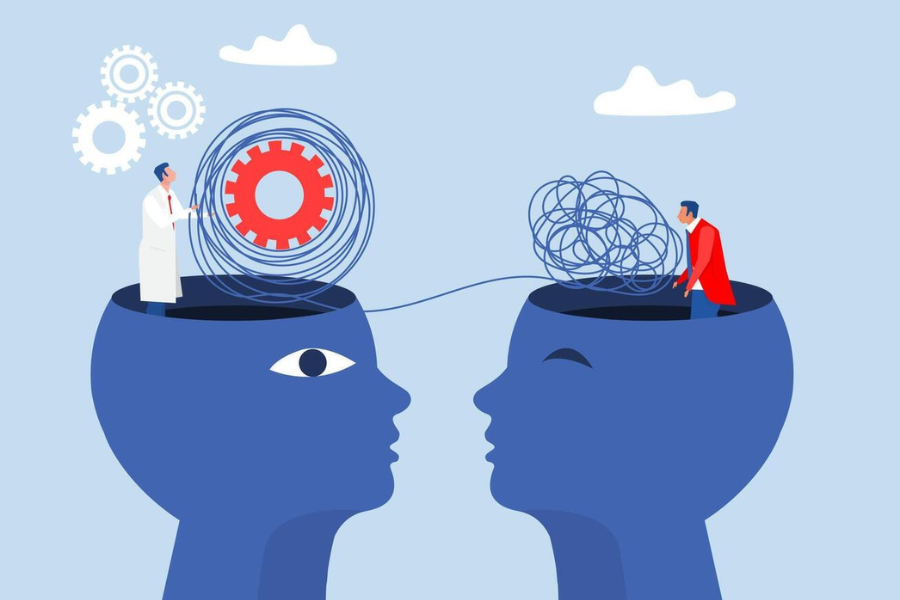
You probably know what it feels like to have “a bad week.” You might also wonder when normal sadness crosses the line into something more serious. Understanding situational vs clinical depression helps you know when time and support are enough and when you should reach out for professional care.
Situational depression is usually a reaction to a specific life event. Clinical depression, also called major depressive disorder, is a mental health condition with specific diagnostic criteria and often needs treatment such as therapy or medication to improve (Cleveland Clinic; Mayo Clinic).
You do not have to figure this out alone, but knowing the basic differences gives you a starting point and can make it easier to ask for the right kind of help.
What situational depression is
Situational depression is your mind and body reacting to a stressful or painful event. It is also called “adjustment disorder with depressed mood.”
Common triggers include:
- A breakup or divorce
- Job loss or financial stress
- A major move or big life change
- Serious illness or injury
- Death of a loved one
Situational depression usually:
- Starts within a few months of the stressful event
- Feels closely tied to what happened
- Improves as you adjust to the situation or the stress eases
Health experts describe this as a short term form of depression that often resolves within about 6 months after the stressor is removed or you come to terms with it (Medical News Today; Healthline).
You might still feel very low during this time. That does not make your pain “less real.” It just means the pattern is different from clinical depression and often responds well to support, coping tools, and sometimes short term therapy.
What clinical depression is
Clinical depression, also known as major depressive disorder, is a mental health condition that goes beyond a reaction to a single event. It is defined by a persistently low mood or loss of interest in most activities, plus other symptoms, that last at least two weeks and significantly affect your daily life (Cleveland Clinic; Mayo Clinic).
Clinical depression:
- Can develop with or without an obvious trigger
- Often comes in episodes that last weeks or months
- Interferes with work, school, relationships, and day to day tasks
- Usually requires treatment such as psychotherapy, medication, or both
Experts link clinical depression to changes in brain chemistry and other factors that affect how you think, feel, and even how your body functions (Medical News Today).
If you are dealing with clinical depression, you might notice that “waiting it out” or making lifestyle changes is not enough. That is not a personal failure. It is a sign that your brain and body need more structured support.
Compare symptoms side by side
Situational vs clinical depression share many symptoms, which is why they can be hard to tell apart on your own. The key differences usually show up in timing, severity, and impact on your daily life.
Shared symptoms you might notice
With both situational and clinical depression, you may experience:
- Sadness, emptiness, or frequent crying
- Hopelessness about the future
- Low energy or fatigue
- Trouble concentrating or making decisions
- Changes in sleep or appetite
- Loss of interest in things you used to enjoy
- Physical aches and pains without a clear cause
- Thoughts about death or suicide
These overlapping symptoms are one reason it is so important to pay attention to patterns instead of focusing on just one sign.
How symptoms differ in duration and impact
Here is a simple overview of how the two can look in real life, based on descriptions from sources like Cleveland Clinic, Mayo Clinic, and Medical News Today:
| Feature | Situational depression | Clinical depression |
|---|---|---|
| Main trigger | Clear stressful event or life change | May occur with or without a specific trigger |
| Onset | Within 1–3 months of the stressor (Medical News Today; Healthline) | Can develop gradually or suddenly |
| Duration | Often resolves within about 6 months after stressor improves (Medical News Today; Healthline) | Can last weeks to months or longer, often chronic and episodic (Cleveland Clinic) |
| Ties to event | Feelings clearly linked to “what happened” | Feelings can seem disconnected from life events |
| Severity | Distressing but often less severe overall | More intense, can include physical symptoms or psychosis (Medical News Today) |
| Functional impact | Can make life harder but you may still manage basics | Often causes major problems at work, school, or in relationships (Mayo Clinic) |
| Diagnosis | Adjustment disorder with depressed mood | Major depressive disorder, using DSM 5 criteria |
For clinical depression, mental health professionals look for at least five symptoms such as depressed mood, loss of interest, sleep changes, appetite changes, low energy, feelings of worthlessness, trouble concentrating, or thoughts of death, nearly every day for at least two weeks, with clear impact on your functioning (Cleveland Clinic; Medical News Today).
Why knowing the difference matters
You might wonder why you need to label what you are going through at all. Naming things is not about putting you in a box. It is about matching what you are feeling with the kind of help that actually works.
It guides you toward the right support
When you can spot situational vs clinical depression patterns, you can:
- Take situational symptoms seriously, instead of brushing them off as “just stress”
- Notice warning signs that a situational episode is becoming more severe
- Recognize when your symptoms look more like clinical depression and need professional care
Situational depression often responds well to:
- Short term therapy or counseling
- Support groups or grief counseling
- Stress management tools and coping skills (NAMI)
Clinical depression typically needs:
- Psychotherapy, such as cognitive behavioral therapy
- Antidepressant medications like SSRIs or SNRIs
- Ongoing follow up, and sometimes lifestyle changes, as part of a longer term plan (Gemas Psychotherapy; Medical News Today)
If you treat clinical depression like a short term rough patch, you may wait too long to get help. If you assume situational depression is “nothing,” you might miss out on support that could make this period much easier.
It helps you notice when things are getting worse
Situational depression can sometimes develop into clinical depression, especially when stress is ongoing and you do not have enough support (WebMD). Knowing this helps you:
- Watch for symptoms that last beyond a few months
- Pay attention if your mood stays low even after life has stabilized
- Reach out if things feel stuck instead of slowly easing
Healthline notes that if depression symptoms last past about 6 months and occur most days, even after the original stressor is no longer active, a diagnosis may shift from situational depression to major depressive disorder (Healthline).
You deserve help before you reach that point. Recognizing early changes lets you act sooner, which can make recovery easier.
It validates what you are feeling
You might have heard messages like:
- “Everyone gets sad, just get over it.”
- “You have nothing to be depressed about.”
- “It is only because of what happened, so it does not count.”
Understanding that situational depression is a recognized condition, with its own diagnostic criteria, can make it easier to give yourself compassion instead of criticism. At the same time, seeing clinical depression as a medical condition, not a character flaw, can lower shame and open the door to treatment.
Both forms of depression are real. Both deserve care.
How professionals tell them apart
You do not need to diagnose yourself. However, knowing how clinicians think about situational vs clinical depression can make appointments less intimidating and help you describe what you are going through.
What happens in an assessment
A doctor or mental health professional might:
- Ask about your mood, thoughts, and physical symptoms
- Explore recent life events or stressors
- Ask when symptoms started and how long they have lasted
- Check how much your symptoms affect work, school, and relationships
- Ask about your medical history and medications
For situational depression, they look at “adjustment disorder” criteria in the DSM 5. This focuses on:
- A clear link between symptoms and an identifiable stressor
- Symptom onset within about 3 months of that event
- Symptoms that are more intense than you would expect from the situation alone and that cause problems in daily life
- Symptoms that usually improve within about 6 months of the stressor resolving (Gemas Psychotherapy; Medical News Today; Healthline)
For clinical depression, they use DSM 5 criteria for major depressive disorder, which include:
- At least five symptoms such as depressed mood, loss of interest, sleep or appetite changes, fatigue, feelings of worthlessness, poor concentration, or thoughts of death
- Symptoms present nearly every day for at least two weeks
- Significant impact on functioning
- Symptoms not better explained by another mental or medical condition (Mayo Clinic; Cleveland Clinic)
If you are worried about “wasting the doctor’s time,” remember that clinicians see the full range of mood symptoms every day. You do not need to figure it out perfectly before reaching out.
Treatment options and what they feel like
Both situational and clinical depression can improve with the right support. The approaches often overlap, but the intensity and length of treatment usually differ.
Support for situational depression
For situational depression, treatment usually focuses on helping you cope with the event and adjust to the changes it brought.
Common options include:
-
Psychotherapy or counseling
Talking with a therapist gives you space to process what happened, understand your reactions, and build coping strategies. Cognitive behavioral therapy (CBT) and other approaches can be very effective for short term support (Gemas Psychotherapy). -
Support groups or grief counseling
Being with others who are going through similar experiences can reduce isolation and help you feel understood (Medical News Today). -
Lifestyle changes and stress management
Strategies might include exercise, sleep routines, time outdoors, and structured daily habits. -
Short term medication, when needed
In some cases, a doctor might recommend medication for a limited time if symptoms are severe or you have a hard time functioning (Medical News Today).
The goal is to help you get through a difficult chapter, not to keep you in long term treatment unless you need it.
Treatment for clinical depression
Clinical depression often needs a more structured and longer term plan.
This may include:
-
Psychotherapy
Therapies like CBT, interpersonal therapy, or other evidence based approaches help you work with your thoughts, behaviors, and relationships over time. -
Antidepressant medications
Medications such as SSRIs or SNRIs can help balance brain chemicals involved in mood regulation. Many people benefit from combining medication with therapy (Gemas Psychotherapy; Mayo Clinic). -
Lifestyle and routine support
Regular sleep, movement, nutrition, and social connection can support other treatments, although they usually are not enough on their own for clinical depression. -
Higher levels of care when needed
If symptoms are severe or there is a high risk of self harm, more intensive treatment such as day programs or inpatient care may be recommended (NAMI).
Needing medical treatment for depression is no different from needing it for diabetes or high blood pressure. It is about giving your brain the support it needs to function well.
Coping strategies you can start today
While professional help is important, there are also practical steps you can take right now to support your mental health, especially if you think you are dealing with situational depression or situational stress.
Ground your body to calm your mind
NAMI highlights a few simple techniques that help ease anxiety and tension that often show up alongside depression (NAMI):
-
Slow, deep breathing
-
Inhale slowly through your nose for a count of 4.
-
Hold for a count of 4.
-
Exhale gently through your mouth for a count of 6.
-
Repeat for a few minutes.
-
Progressive muscle relaxation (PMR)
-
Starting at your feet, gently tense a muscle group for a few seconds.
-
Release the tension and notice the difference between tight and relaxed.
-
Move gradually up your body, one area at a time.
These tools will not “fix” depression, but they can take the edge off intense moments and create enough breathing room to reach out for more help.
Build small daily anchors
When you feel low, even basic tasks can feel heavy. Instead of trying to overhaul your life at once, choose a few small anchors:
- Get out of bed and open the curtains each morning.
- Eat something, even if it is simple, at regular times.
- Step outside for a few minutes of fresh air daily.
- Set one realistic goal for the day, such as taking a shower or texting a friend.
Over time, these small actions signal to your brain and body that you are still here and still moving, even if slowly.
Reach out instead of going silent
Both situational and clinical depression can trick you into believing you are a burden. The opposite is true. Most people would rather know you are struggling than guess from a distance.
You might try:
- Telling one trusted person, “I am having a hard time and could use some company or a check in.”
- Letting a friend know, “Please keep inviting me, even if I say no sometimes.”
- Asking someone to sit with you while you call a doctor or therapist.
If you do not have people you feel safe talking to right now, a therapist, support group, or helpline can be a place to start.
When you should seek professional help
You never have to wait for a crisis to talk with a professional. Early support often makes recovery smoother and prevents symptoms from getting worse (Gemas Psychotherapy).
Consider reaching out to a doctor or mental health provider if:
- Your sadness or hopelessness lasts longer than a couple of weeks
- You notice your symptoms are getting more intense instead of easing
- Sleep, appetite, or energy changes are disrupting your daily life
- You find it hard to work, study, or take care of basic responsibilities
- You withdraw from people or activities you usually care about
- You are using alcohol or substances to cope
- You have thoughts that life is not worth living or think about harming yourself
WebMD suggests talking with a doctor if symptoms of situational depression last longer than a few weeks or do not improve, to help determine whether you may be dealing with clinical depression instead (WebMD).
If you ever think you might hurt yourself or you feel unable to stay safe:
- Treat that as an emergency.
- Call your local emergency number or a crisis hotline right away.
- If you can, go to the nearest emergency room.
You are not overreacting by taking your safety seriously. You are choosing to protect your future self.
Bringing it all together
When you step back, situational vs clinical depression differ in a few key ways:
- Situational depression usually starts after a clear stressor and often eases as you adjust or the situation changes.
- Clinical depression may arise with or without a specific trigger, lasts longer, and tends to affect many areas of your life at once.
- Both are real, both can be painful, and both deserve attention and care.
You do not need the “perfect” label to ask for help. You only need to notice that you are struggling more than usual and that things are not getting better on their own.
Choosing to talk with a professional, open up to someone you trust, or try one new coping tool today is not a sign that you are weak. It is a sign that you are taking your mental health seriously, and that you believe your well being is worth the effort.
About the Author